

This is my little online home where we celebrate life's real magic - the warm connections, simple self-care rituals, and those quiet moments that stay with you.
What I do here:
• Craft stories and tips to brighten your everyday
• Build a space where everyone feels welcome
• Make each visit worth your while - whether you need quick advice or food for thought
My superpowers? Turning ordinary moments into something special through words that actually mean something.
Off-screen, I'm probably:
☕ Curled up with a book that changes my perspective
🎨 Trying some new creative hobby
🌿 Noticing the small wonders we usually rush past
So glad you're here - let's make something meaningful together!
By David Yang | April 17, 2026
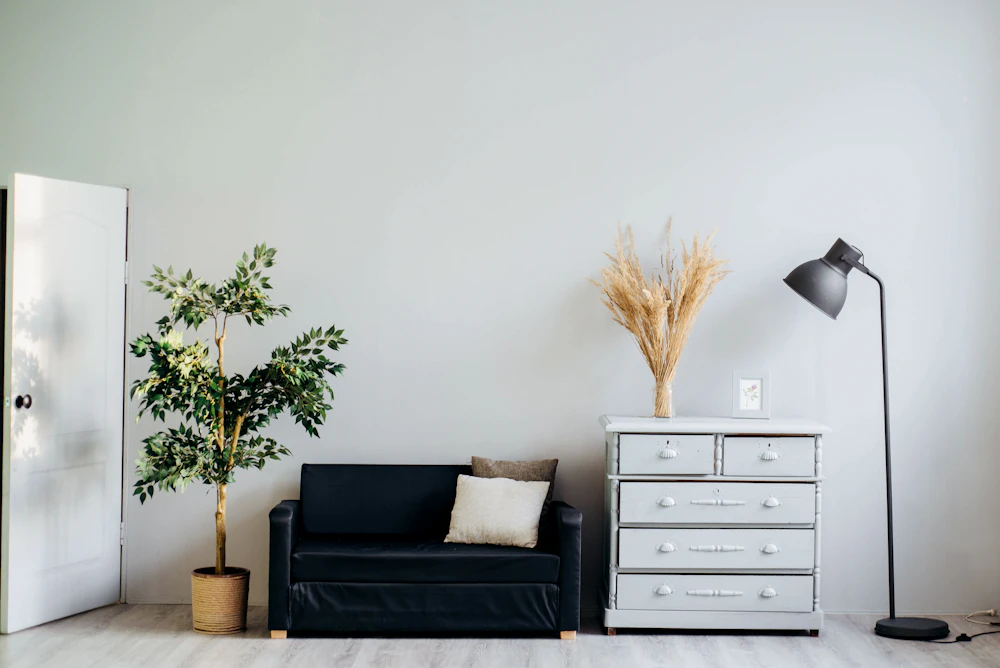
Table of Contents
- The Shift Toward Environmental Healing
- Neuro-Regulated Living Spaces
- Integrating Recovery into Daily Rituals
- Sources
The Shift Toward Environmental Healing
In the past seven days, new reports from the Global Wellness Institute and major health analysts have highlighted a profound shift in the American domestic landscape. As we move through April 2026, the concept of the “home” has evolved beyond simple shelter into a primary tool for emotional recovery. Research indicates that mental wellbeing is no longer viewed solely as an internal psychological state but as a reflection of the environments in which Americans live and interact.
This shift, often termed “Environmental Healing,” focuses on reducing the chronic sympathetic nervous system activation caused by a digitally saturated world. Experts suggest that the home environment is now the front line for rebalancing the body’s stress responses.
Neuro-Regulated Living Spaces
Recent data underscores the impact of specific interior elements on the brain’s ability to heal. Key trends identified this week include the rise of “Neuro-regulated environments.” These are spaces designed specifically to lower cortisol levels through sensory modulation. Elements such as smart circadian lighting—which mimics natural sun cycles to regulate sleep—and “nature-inspired geometry” (fractal patterns and curves) are being used to create a “less threatening” psychological sense of space.
Designers are moving away from sharp angles and synthetic finishes, favoring soft, natural textures like linen and jute, which signal safety to the subconscious mind. Furthermore, the integration of air purification and essential oil diffusion is being marketed not as a luxury, but as a “resilience-building” necessity for the 2026 household.
Integrating Recovery into Daily Rituals
The latest wellness trends for 2026 emphasize “consistency over performance.” This has led to the proliferation of home-based recovery tools once reserved for commercial spas. Within the last week, industry reports show a surge in the adoption of “contrast therapy” zones in American homes, including cold plunges and infrared saunas.
These physical additions to the happy home are paired with “slow evening” rituals—tech-free periods, magnesium bathing, and breath-centered cooldowns. The goal is a holistic “brain health” strategy that treats the home as a sanctuary where the nervous system can downregulate daily, fostering deeper love and connection among inhabitants by reducing environmental irritability and fatigue.
Sources
- Global Wellness Institute: Mental Wellness Trends for 2026
- Dr. Axe: Wellness Trends 2026: Personalization and Home Sanctuaries
- Limitless: 14 Wellness Trends to Try in 2026
- American Sale: Wellness Starts at Home 2026 Report
- Medicinal Media: The Impact of Interior Design on Mental Health
Recommended Articles:
- Singapore Unveils SGD 62,000 Child Support Package in Landmark Family Policy Overhaul
- Conservative ‘Flourishing Families’ Agenda Unveils Budget-Neutral Paid Leave, Student Caregiver Programs
- Elderly Living Alone in Singapore Doubles in a Decade as Super-Aged Society Takes Hold
- America’s Loneliness Epidemic: 1 in 4 Seniors Isolated as Health Risks Mount
- American Love Under Pressure: Marriage at Record Low as Financial Stress Reshapes Relationships
- Singapore Announces Sweeping Family Support Package as Births Hit Record Low
- American Families Squeezed on Every Front as 82% of Parents Say Costs Are “Out of Control”
- Trump Administration Expands Tax Incentives for Paid Family Leave as Delaware Signs Bipartisan Childcare Legislation
- PM Wong to Announce New Family Support Measures at National Day Rally 2026
- Singapore Raises Home Caregiving Grant to $600 a Month in 2026: What Families Need to Know
- US Home Purchase Loans Hit 12-Year Low as Housing Costs Surge
- Berkshire’s $6.8 Billion Homebuilder Deal Shakes Up U.S. Housing Market
- Zendaya and Tom Holland Spark New Marriage Buzz
- Love Is Blind Stars Chelsea and Kwame Divorce After 4 Years
- Love on the Spectrum Breakup Shocks Fans After 5 Years
- Chase Infiniti and Tyriq Withers Romance Sparks Buzz
- New Recovery Program Helps Single Fathers Rebuild Families
- Mother of 8 Gets First Home Through Habitat Project
- RFK Jr. Mental Health Plan Sparks Debate Across American Families
- California Expands Mental Health Housing and Recovery Services
- New Study: Exercise Significantly Reduces Depression Risk
- Wedding Therapy Boom: Couples Seek Help Before Marriage
- 2026 Study: 97% of Parents Stressed. How to Heal Your Home
- Doctor Adopts Patient: Viral Hospital Ending Provides Healing Home for Siblings
- How the 988 Lifeline Saved 4,300 Young Lives: A Win for US Families
- US Survey Finds Loneliness Rising Despite Need for Connection
- ‘Sleep Divorce’ Surge in America: Couples Choose Rest Over Conflict
- No-Contact Trend Surges in U.S. Relationships
- Sleep Crisis in Couples: New Love Study Reveals Truth
- Doctors Turn to “Prescribing Connection” as Loneliness Crisis Deepens in America
- New “Home Ground” Community Hub Offers Healing and Support for Families Navigating Schizophrenia
- Study Finds Cohabitation, Not Marriage, Boosts Happiness for Older Americans
- New Mental Health Parity Index Exposes Gaps in Care: What It Means for Your Family’s Healing
- The Rise of the “Regulated Home”: How 2026 Design Trends are Healing the American Nervous System
- The Science of Lifelong Love: Why Respond and Repair Are the Ultimate Relationship Skills
- Happiness as a Byproduct: A Shift in American Well-Being
- Small Acts, Big Impact: How Everyday Affection Strengthens Relationships
- The Power of Proximity: National Mental Health Month 2026 Prioritizes Healing Within the Home
- Camden Hosts Black Family Wellness Expo to Bring Healing and Health to the Community
- Do Bigger Homes Create Happier Families?