

This is my little online home where we celebrate life's real magic - the warm connections, simple self-care rituals, and those quiet moments that stay with you.
What I do here:
• Craft stories and tips to brighten your everyday
• Build a space where everyone feels welcome
• Make each visit worth your while - whether you need quick advice or food for thought
My superpowers? Turning ordinary moments into something special through words that actually mean something.
Off-screen, I'm probably:
☕ Curled up with a book that changes my perspective
🎨 Trying some new creative hobby
🌿 Noticing the small wonders we usually rush past
So glad you're here - let's make something meaningful together!
Table of Contents
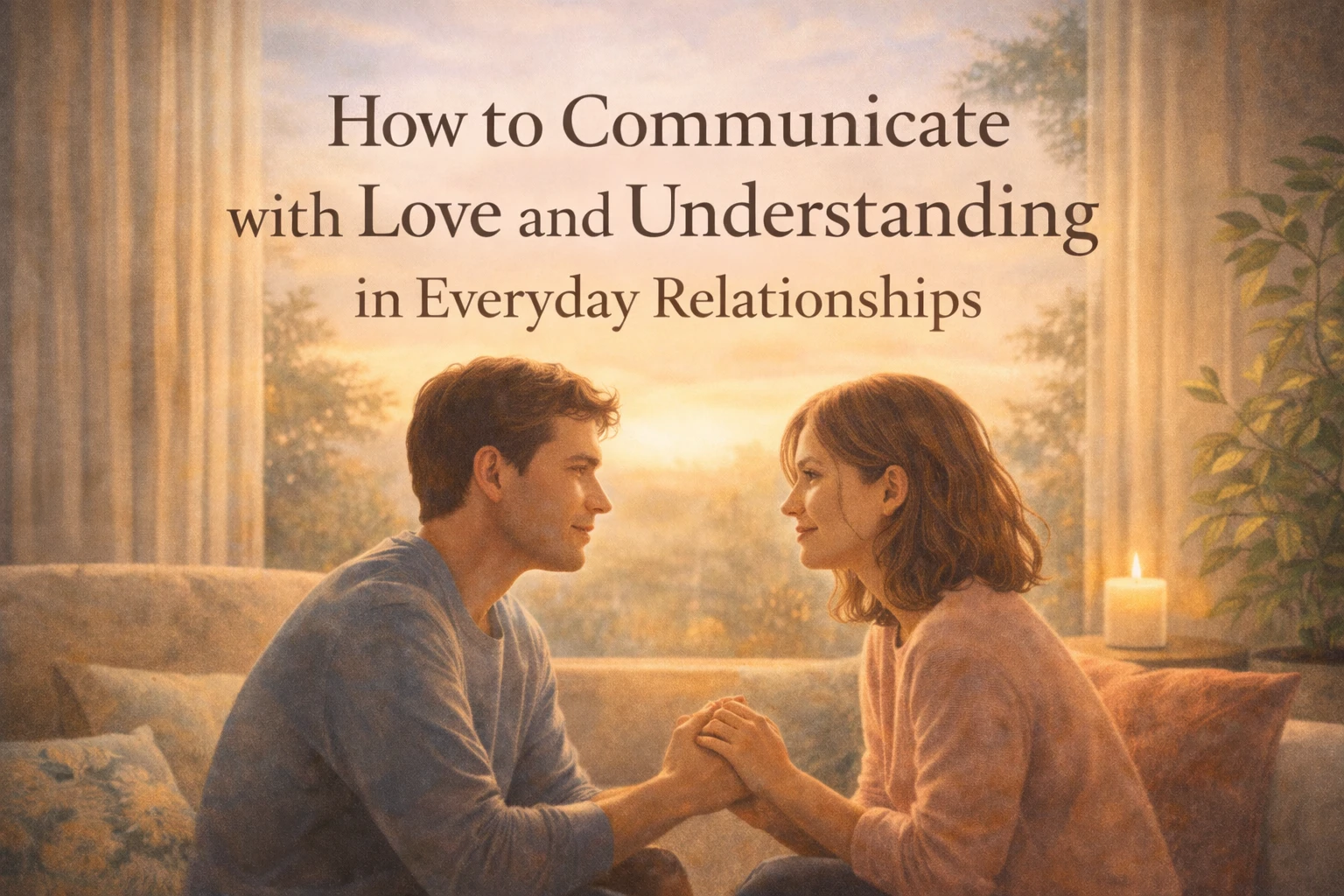
💞 How to Communicate with Love and Understanding in Everyday Relationships
Communication is the emotional foundation of every meaningful relationship. Whether you are speaking with a partner, a family member, a close friend, or even a colleague, the way you communicate shapes how safe, supported, and understood each person feels.
Yet loving communication is not about always saying the perfect thing. It is about showing up with patience, empathy, and emotional awareness — especially when conversations become difficult.
In today’s fast-paced and overstimulating world, many conversations happen while we are distracted, tired, or emotionally overloaded. Misunderstandings grow easily in these conditions.
But when communication is rooted in love and understanding, relationships begin to feel calmer, stronger, and more resilient. 🤍
This guide explores practical, psychology-informed strategies to help you communicate more gently, listen more deeply, and create emotional safety in your everyday relationships.
Because often, what people need most is not advice — but understanding.
🌱 What Loving Communication Really Means
Loving communication is not passive or avoidant. It does not mean suppressing your needs to keep the peace.
Instead, it means expressing yourself honestly while remaining respectful of another person’s emotional world.
At its core, loving communication involves three powerful skills:
- Emotional awareness
- Empathetic listening
- Thoughtful responding
When these skills work together, conversations stop feeling like confrontations and start feeling like opportunities for connection.
Research in relationship psychology consistently shows that couples and families who practice emotionally supportive communication experience greater trust, lower conflict intensity, and deeper long-term satisfaction.
Love is not only something we feel.
It is something we practice through how we speak.
🧠 Why Feeling Understood Matters So Much
Many conflicts are not caused by the situation itself — they are caused by the feeling of being misunderstood.
When someone senses that their emotions are dismissed or minimized, the brain may interpret this as a threat. Defensive reactions often follow.
But when a person feels heard, their nervous system begins to relax.
Understanding communicates a powerful message:
“Your experience matters to me.”
This is one of the strongest emotional stabilizers in any relationship.
If you find that emotional tension often shows up in your interactions, strengthening your inner emotional awareness can make communication significantly easier.
You may find helpful guidance here:
👉 Emotional Healing: Simple Practices to Restore Inner Calm
https://loveahh.com/emotional-healing-inner-calm/
Inner calm creates the conditions for kinder conversations.
👂 Listen to Understand — Not to Win
Most people listen with the intention of replying. Loving communicators listen with the intention of understanding.
This subtle shift changes everything.
Instead of mentally preparing your defense, try becoming curious about what the other person is truly feeling beneath their words.
Ask yourself:
- What emotion might be present here?
- What need could be unspoken?
- What matters most to them in this moment?
Gentle Listening Habits That Build Trust
✅ Maintain comfortable eye contact
✅ Avoid interrupting
✅ Reflect back what you heard
✅ Validate emotions even if you disagree
✅ Stay present instead of checking your phone
Often, emotional intensity drops quickly once a person realizes they no longer need to fight to be understood.
🌿 Regulate Yourself Before the Conversation
One of the most overlooked communication skills is emotional self-regulation.
When your nervous system is overstimulated, even small disagreements can feel overwhelming.
Before entering an important conversation, pause and check in with yourself:
- Am I already stressed?
- Am I exhausted?
- Do I need a moment to breathe?
Simple calming rituals can dramatically improve how conversations unfold.
👉 Everyday Rituals That Support Emotional Wellbeing
https://loveahh.com/everyday-rituals-emotional-wellbeing/
When your body feels safer, your words naturally soften.
💬 Speak From Your Experience — Not From Blame
Blame tends to trigger defensiveness. Ownership invites dialogue.
A helpful technique used in many therapeutic settings is the “I statement.”
Instead of saying:
❌ “You never listen to me.”
Try:
✅ “I sometimes feel unheard, and I would love for us to understand each other better.”
This approach keeps the conversation collaborative rather than adversarial.
Remember — the goal is not to prove who is right.
The goal is to protect the relationship while addressing the issue.
🕊️ Respond Gently During Conflict
Conflict is not a sign that a relationship is failing. Avoiding conflict entirely is often less healthy than learning how to navigate it with care.
Healthy conflict can increase understanding — if approached calmly.
Helpful strategies include:
- Lower your voice instead of raising it
- Slow the pace of the conversation
- Focus on one issue at a time
- Avoid absolute language like “always” or “never”
- Take breaks if emotions escalate
If stress frequently influences your reactions, learning how to release tension can transform your communication patterns.
👉 Letting Go of Stress: Calm Practices You Can Do at Home
https://loveahh.com/letting-go-of-stress/
Calmer people communicate more clearly.
🌸 Choose Curiosity Over Assumption
Assumptions create emotional distance. Curiosity builds bridges.
Instead of concluding what someone meant, consider asking:
- “Can you help me understand what you meant?”
- “Did I interpret that correctly?”
- “What was that experience like for you?”
Questions signal openness — and openness invites honesty.
Every person carries invisible emotional experiences. Approaching them with curiosity shows respect for their inner world.
🏡 Create an Environment That Supports Safe Conversations
Your surroundings influence your communication more than you might realize.
Constant background noise, clutter, or digital distraction can subtly increase irritability and shorten patience.
Creating a calmer home atmosphere can support more thoughtful interactions.
👉 Self-Care at Home: Gentle Ways to Care for Your Mind and Heart
https://loveahh.com/self-care-at-home/
When your environment feels supportive, conversations often follow that same tone.
⚖️ Balance Honesty With Kindness
Honesty without kindness can feel harsh.
Kindness without honesty can feel inauthentic.
Loving communication exists where truth and care meet.
Before speaking, consider asking yourself:
“Is what I’m about to say both true and compassionate?”
If the answer is yes, the conversation is far more likely to strengthen the relationship rather than strain it.
🌙 Accept That Imperfect Moments Will Happen
No one communicates perfectly — not even relationship experts.
You will occasionally speak too quickly, misunderstand, or react emotionally.
What matters most is the willingness to repair.
A simple acknowledgment such as:
“I’m sorry — that came out more sharply than I intended.”
can rebuild closeness faster than silence ever could.
Repair is one of the strongest predictors of long-term relationship health.
🌼 Small Daily Habits That Strengthen Communication
Healthy communication is built in ordinary moments, not just serious discussions.
Consider practicing:
- Expressing appreciation regularly
- Checking in emotionally
- Putting devices away during conversations
- Offering reassurance
- Celebrating small wins together
Over time, these micro-moments teach the brain that the relationship is emotionally safe.
And safety allows love to deepen.
❤️ The Long-Term Impact of Loving Communication
When communication becomes more compassionate, relationships often feel:
- More secure
- More supportive
- Less reactive
- More emotionally intimate
- Easier to navigate during stress
You begin to trust not only the relationship — but the conversations within it.
And that trust becomes a quiet source of stability in everyday life.
❓ Frequently Asked Questions (FAQ)
💬 What is loving communication?
Loving communication is the practice of expressing thoughts and emotions honestly while showing empathy, respect, and emotional awareness toward another person.
💬 Why do misunderstandings happen so easily?
Misunderstandings often occur when people feel rushed, stressed, distracted, or emotionally activated. Slowing down conversations greatly reduces conflict.
💬 Can communication skills really improve a relationship?
Yes. Research consistently shows that communication style is one of the strongest predictors of relationship satisfaction and longevity.
💬 How can I stay calm during difficult conversations?
Pause before responding, focus on breathing, and remind yourself that understanding is more important than winning.
💬 What if the other person struggles with communication?
Model the tone you hope to see. Gentle communication often encourages reciprocity over time — though healthy relationships require effort from both people.
📚 Authoritative Sources & References
The Gottman Institute — Relationship Communication Research
https://www.gottman.com
American Psychological Association (APA) — Relationships & Communication
https://www.apa.org/topics/relationships
Harvard Health Publishing — Emotional Intelligence
https://www.health.harvard.edu/mind-and-mood/emotional-intelligence
Greater Good Science Center (UC Berkeley) — Empathy & Connection
https://greatergood.berkeley.edu
National Institute of Mental Health (NIMH) — Emotional Regulation
https://www.nimh.nih.gov/health
✅ Personalized Amazon Product Recommendations

The 5 Love Languages: The Secret to Love that Lasts
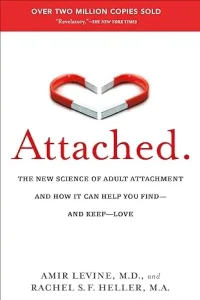
Attached: The New Science of Adult Attachment and How It Can Help You Find–and Keep–Love
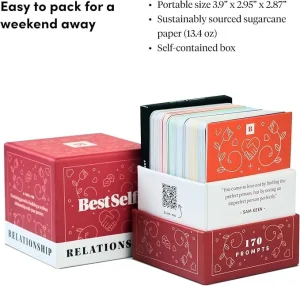
BestSelf Relationship Deck – 150 Discussion Prompts to Create Real Conversations – Perfect Couples Games, Card Games for Adults, and Amazing Gifts for Wife

Electric Spin Scrubber, Cordless Cleaning Brush Scrubber for Home, 8 Replaceable Brush Heads-90Mins Work Time, 3 Adjustable Size, 2 Speeds for Bathroom Shower Bathtub Glass Car

Cisily Black Sponge Holder for Kitchen Sink, Sink Caddy Organizer with High Brush Holder, Kitchen Countertop Organizers and Storage Essentials, Rustproof 304 Stainless Steel, Soap Dispenser Organize
Recommended Articles:
- Healthy Communication Habits That Bring Families Closer

- How to Create a Loving and Supportive Family Environment

- How to Improve Communication in Relationships

- Building Emotional Intimacy Through Small Daily Moments

- The Foundation of Healthy Relationships: Emotional Safety, Communication, and Trust
- Signs of a Healthy Relationship: How to Know If Your Connection Is Truly Strong
- Relationship Red Flags: Warning Signs You Should Never Ignore

- Simple Ways to Strengthen Family Relationships at Home

- How to Communicate with Love and Understanding in Everyday Relationships

💬 Why Tip? It’s Not Just Money — It’s Motivation ❤️
| 😊 What You Got | 🎁 What I Get | 🔗 What You Can Do |
|---|---|---|
| ✔️ A smile or laugh | ✔️ A reason to keep creating | 👉 Buy me a coffee ☕️ |
| ✔️ Useful tips, insights, or ideas | ✔️ Proof that this content helps | 👉 Click the support button 💸 |
| ✔️ Fun, relatable content | ✔️ Motivation to go deeper & better | 👉 Leave a tip + kind feedback 🙌 |
| ✔️ Ad-free reading experience | ✔️ A little financial breathing room | 👉 $1 isn’t too little, $10 isn’t too much 🎉 |
| ✔️ A sense of connection | ✔️ The joy of being seen and supported | 👉 Let me know you’re out there 👀 |
❤️ If you made it this far, maybe that’s your sign to support? Every tip matters!