
This is my little online home where we celebrate life's real magic - the warm connections, simple self-care rituals, and those quiet moments that stay with you.
What I do here:
• Craft stories and tips to brighten your everyday
• Build a space where everyone feels welcome
• Make each visit worth your while - whether you need quick advice or food for thought
My superpowers? Turning ordinary moments into something special through words that actually mean something.
Off-screen, I'm probably:
☕ Curled up with a book that changes my perspective
🎨 Trying some new creative hobby
🌿 Noticing the small wonders we usually rush past
So glad you're here - let's make something meaningful together!
Table of Contents
Quick Answer
If you’re wondering how to calm anxiety at home, the most effective approach combines breath regulation, grounding techniques, and a supportive home environment. Simple actions like slow breathing, reducing sensory overload, and creating calming routines can quickly reduce stress and help your mind feel safe again.
Introduction
You’re at home—supposedly the safest place in the world—yet your chest feels tight, your thoughts are racing, and something just isn’t right. Anxiety doesn’t always care where you are. It can follow you into your living room, your bedroom, even your quietest moments.
The good news is this: your home can become your most powerful tool for anxiety relief. With the right understanding and small, intentional changes, you can transform your environment into a space that actively helps calm your mind instead of overwhelming it.
What Is Anxiety Relief at Home?
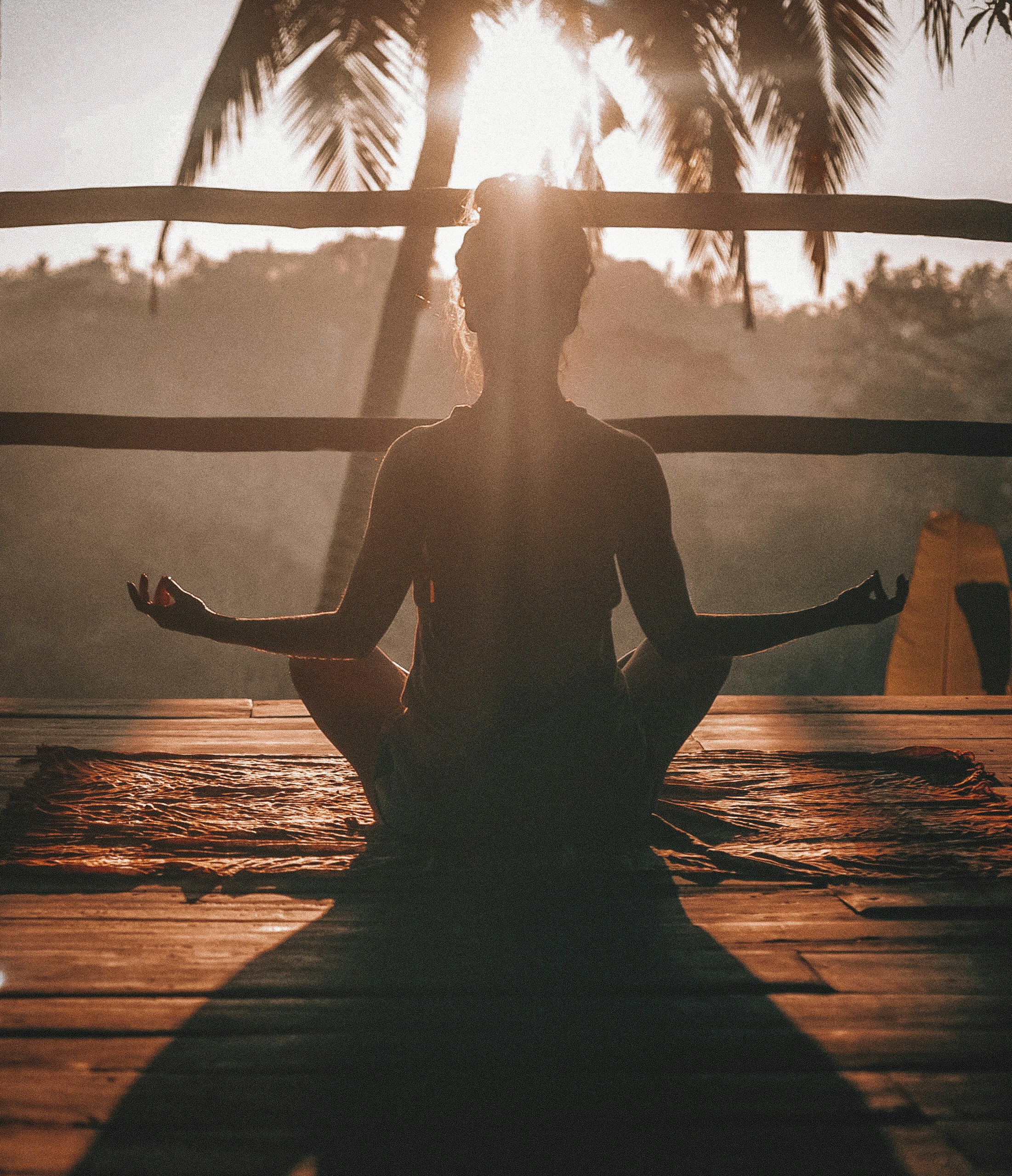
Anxiety relief at home refers to using your immediate environment, habits, and mental strategies to reduce feelings of stress and regain emotional balance. Instead of relying solely on external help, it focuses on empowering you to regulate your nervous system using tools available in your daily life.
This includes physical practices like breathing exercises, emotional awareness, and environmental design—such as lighting, sound, and space organization—to create a calming atmosphere.

Why Anxiety Relief at Home Matters
Your brain is constantly scanning your environment for safety or threat. When your home feels chaotic, cluttered, or overstimulating, your nervous system stays in a low-level “fight or flight” mode—even if nothing is actually wrong.
Psychologically, familiarity and control are two key elements in reducing anxiety. At home, you have the unique advantage of shaping both. This makes it one of the most powerful places to build long-term emotional resilience.
When you intentionally create a calm mind at home, you’re not just managing anxiety—you’re retraining your brain to feel safe again.

Common Problems People Face
- Overthinking when alone with their thoughts
- Difficulty separating work stress from home life
- Constant phone or screen stimulation
- Cluttered or noisy living spaces
- Lack of emotional routines or structure
- Feeling guilty for “not doing enough” to relax
Core Framework
Pillar 1: Regulate the Body First
Anxiety begins in the body before it becomes a thought problem. Your heart rate increases, breathing becomes shallow, and your muscles tense. Trying to “think your way out” rarely works.
Instead, focus on physical regulation. For example, inhale slowly for 4 seconds, hold for 4, and exhale for 6. This activates your parasympathetic nervous system, signaling safety.
Pillar 2: Create a Safe Environment
Your surroundings shape your mental state. Soft lighting, reduced noise, and organized spaces can dramatically reduce stress levels. Even small changes—like a tidy corner or calming scent—can signal comfort to your brain.
Example: Turn off harsh overhead lights and use warm lamps in the evening. Your body will naturally begin to relax.
Pillar 3: Interrupt Thought Loops
Anxiety thrives on repetitive thinking. To break the cycle, you need to shift your attention intentionally.
One simple method is grounding: name 5 things you see, 4 things you feel, 3 things you hear. This pulls your mind out of the future and back into the present moment.
Practical Action Steps
- Practice slow breathing for 2–5 minutes when anxiety rises
- Create a “calm corner” with soft lighting and minimal distractions
- Limit screen time, especially before sleep
- Use calming sounds like rain or soft music
- Write down anxious thoughts to release mental pressure
- Keep your space clean and visually simple
Mistakes to Avoid
- Trying to suppress anxiety instead of acknowledging it
- Overloading yourself with too many “self-help” techniques
- Staying constantly distracted instead of addressing emotions
- Ignoring sleep and physical health
- Expecting instant results instead of gradual improvement
Deep Insight
Anxiety is not your enemy—it’s a signal. It’s your mind trying to protect you, even if it’s overreacting. When you fight anxiety aggressively, you reinforce the idea that something is wrong.
But when you respond with calm awareness—“I feel anxious, and that’s okay”—you begin to change your relationship with it. Over time, anxiety loses its intensity because it no longer triggers fear about itself.
Simple Daily Habits
- Start your morning without immediately checking your phone
- Open windows for fresh air and natural light
- Spend 5 minutes in silence or mindfulness
- Keep a consistent sleep schedule
- Drink water and reduce caffeine intake
- Take short breaks to reset your mind
FAQ
How quickly can I calm anxiety at home?
Some techniques like breathing exercises can reduce symptoms within minutes, while long-term relief comes from consistent habits and environment changes.
Can my home environment really affect my anxiety?
Yes. Your brain constantly reacts to your surroundings. A calm, organized space reduces stress signals and promotes relaxation.
What if anxiety keeps coming back?
This is normal. Anxiety often comes in waves. The goal is not to eliminate it completely, but to respond more calmly each time.
Do I need professional help?
If anxiety significantly interferes with your daily life, seeking support from a therapist or healthcare provider can be very helpful alongside home strategies.
Authoritative Sources & References
- American Psychological Association – Breathing and mindfulness reduce stress response – https://www.apa.org/topics/stress
- Harvard Health Publishing – Slow breathing can calm the nervous system – https://www.health.harvard.edu/mind-and-mood/relaxation-techniques-breath-control-helps-quell-errant-stress-response
- Mayo Clinic – Lifestyle habits play a major role in anxiety management – https://www.mayoclinic.org/diseases-conditions/anxiety/symptoms-causes/syc-20350961
- National Institute of Mental Health – Anxiety disorders involve both mind and body responses – https://www.nimh.nih.gov/health/topics/anxiety-disorders
- Cleveland Clinic – Grounding techniques help reduce anxious thinking – https://health.clevelandclinic.org/grounding-techniques
- Verywell Mind – Environment impacts emotional well-being – https://www.verywellmind.com
Final Summary
Learning how to calm anxiety at home isn’t about finding one perfect solution—it’s about building a supportive system around you. Your breath, your space, your habits, and your mindset all work together to create a sense of safety.
Start small. Adjust one corner of your home. Try one breathing exercise. Take one mindful pause. Over time, these small actions compound into something powerful: a home that doesn’t just shelter you, but actively heals you.
Recommended Articles:
- Evening Routine for Better Sleep and Less Anxiety: 10 Simple Habits to Wind Down
- How to Stop Feeling Empty: A Gentle, Practical Path Back to Yourself
- How to Feel Happy Again: Gentle Steps to Reclaim Joy
- How to Stop Overthinking: A Practical Guide to Quiet Your Mind
- Anxiety Relief at Home: How to Create a Calmer Space That Supports You
- How to Calm Anxiety at Home Naturally (12 Proven Ways)
- Why Do I Feel Restless All the Time? Causes, What It Means & How to Feel Calmer
- Why Do I Feel Overwhelmed in My Relationship? 12 Hidden Sources of Emotional Pressure
- Why Do I Feel Sad at Night? 13 Hidden Reasons Your Heart Aches After Dark
- Why Do I Feel Empty After Social Media? 10 Hidden Causes Behind the Scroll
- Why Do I Feel Like Something Is Missing in My Life? 12 Hidden Reasons Behind the Emptiness
- Why Do I Feel Drained After Talking to People? 10 Hidden Causes of Social Fatigue
- When Home Doesn’t Feel Safe: Why Do I Feel Anxious in My Own House?
- When You Don’t Recognize Yourself in the Mirror: Why Do I Feel Disconnected from Myself?
- Why Do I Feel Stuck in Life? 11 Root Causes & How to Move Forward
- When Life Loses Its Spark: Why Do I Feel Bored With My Life?
- Why Do I Feel Like I Don’t Belong Anywhere? 9 Hidden Reasons and the Path to True Connection
- Why Do I Feel Like I’m Not Good Enough? Understanding Self-Doubt and Low Self-Worth
- Why Do I Feel Like I’m Not Good Enough? Understanding Low Self-Worth
- Why Do I Feel Emotionally Exhausted? Causes & Healing
- Why Do I Feel Overwhelmed by Simple Things? Understanding Emotional Overload and Stress Sensitivity
- Why Do I Feel Unmotivated and Tired? Understanding Low Energy, Burnout, and Lack of Drive
- Why Do I Feel Mentally Drained Every Day? Understanding Burnout, Fatigue, and Emotional Exhaustion
- Why Do I Feel Lost in Life Right Now? Find Your Purpose, Direction & Yourself
- Why Do I Feel Unhappy for No Reason? Real Causes, What It Means & Simple Ways to Feel Better
- Why Do I Feel Anxious at Home? 9 Real Causes and How to Feel More at Ease
- Why Do I Feel Emotionally Numb All the Time? Understanding Emotional Numbness and How to Feel Again
- How to Calm Anxiety at Home: Gentle, Science-Backed Ways to Create Anxiety Relief in Your Safe Space
- Letting Go of Stress: Calm Practices You Can Do at Home
- Everyday Rituals That Support Emotional Wellbeing

- How to Find Inner Balance in a Busy and Noisy World
- Self-Care at Home That Actually Helps
- Emotional Healing: Simple Practices to Restore Inner Calm