
This is my little online home where we celebrate life's real magic - the warm connections, simple self-care rituals, and those quiet moments that stay with you.
What I do here:
• Craft stories and tips to brighten your everyday
• Build a space where everyone feels welcome
• Make each visit worth your while - whether you need quick advice or food for thought
My superpowers? Turning ordinary moments into something special through words that actually mean something.
Off-screen, I'm probably:
☕ Curled up with a book that changes my perspective
🎨 Trying some new creative hobby
🌿 Noticing the small wonders we usually rush past
So glad you're here - let's make something meaningful together!
Table of Contents
Last Updated: October 1, 2026 | By David Yang
Quick Answer: Feeling anxious at home can happen for several reasons, even when nothing obviously stressful is happening. Unresolved worries, family tension, loneliness, financial pressure, overstimulation, past experiences, and difficulty switching off from work can all contribute. Identifying what triggers your anxiety, creating small moments of emotional and physical comfort, and seeking support when needed can help you feel more at ease. Your anxiety does not automatically mean that your home is unsafe or that something is wrong with you.

You finish work, close the front door, and finally have a moment to yourself. There are no meetings, no traffic, and no urgent messages demanding your attention. You are in your own home, the place where you expect to relax.
But instead of feeling peaceful, you feel restless. Your thoughts keep moving. Your shoulders stay tense. You may feel an uncomfortable sense that something is wrong, even though you cannot identify a clear reason.
And a question starts to surface: Why do I feel anxious at home when I am supposed to feel safe here?
This experience can be confusing, especially when other people see your home as comfortable or assume that being at home should naturally make you feel better.
However, anxiety is not determined by your surroundings alone. It can be influenced by your relationships, physical sensations, daily stress, emotional experiences, and the way your mind responds to uncertainty. Sometimes, a quiet environment gives worries more room to become noticeable. Other times, something specific about the home itself contributes to your discomfort.
The important thing is not to blame yourself or immediately assume the worst. Understanding the possible causes gives you a more useful starting point than trying to force yourself to relax.
Why You Might Feel Anxious at Home
Home anxiety is a descriptive term, not a formal mental health diagnosis. It refers to anxiety, uneasiness, tension, or persistent worry that occurs while you are at home. It may happen occasionally, at particular times of day, in certain rooms, around specific people, or almost every time you return home.
Some people experience racing thoughts or difficulty concentrating. Others notice physical sensations such as a tight chest, a restless stomach, muscle tension, sweating, or a faster heartbeat. These experiences can accompany anxiety, although physical symptoms can also have other causes.
There is no single explanation for everyone. The following nine factors may help you understand what is happening in your own situation.
9 Real Reasons You May Feel Anxious at Home
1. Your Mind Finally Has Space to Process Worries
During a busy day, your attention may be occupied by work, errands, conversations, and practical responsibilities. You may not have much time to notice how you feel.
When you get home, external demands sometimes decrease. Without the same level of activity, worries that were already present may become more noticeable.
You might begin thinking about an unfinished project, a difficult conversation, your financial situation, or something that could happen in the future. One thought may lead to another, creating a cycle of repetitive worrying.
This does not mean that your home is causing the anxiety. It may simply be the environment in which you notice it most clearly.
What may help: Instead of trying to solve every concern as soon as it appears, write down what is worrying you. Separate practical issues that require action from hypothetical outcomes that cannot be resolved right now. Choose one manageable next step, then give yourself permission to return to your evening.
2. Family Tension Makes It Difficult to Feel Emotionally Safe
Home is often closely connected to our relationships. If you live with a partner, children, parents, roommates, or other family members, your emotional experience may be shaped by how you interact with them.
Unresolved arguments, criticism, unpredictable reactions, unequal household responsibilities, and a lack of privacy can make it difficult to relax.
Sometimes the tension is obvious. You may anticipate an argument or feel uncomfortable when a particular person enters the room. In other situations, the strain is subtle: conversations feel strained, affection has decreased, or you feel that you must constantly monitor what you say.
It is worth distinguishing ordinary relationship disagreements from patterns that make you feel intimidated, controlled, or unsafe. Repeated threats, humiliation, coercion, and violence are not simply communication problems.
What may help: If the relationship is safe, try discussing one specific issue at a calm time. Use clear statements about your experience, such as, “I feel overwhelmed when I am responsible for every household task.” Agree on practical changes rather than expecting one conversation to resolve everything.
If you are afraid of someone’s reaction, prioritize your safety and consider reaching out to a trusted person or an appropriate support service instead of confronting them alone.
3. You Have Difficulty Switching Off From Work and Responsibilities
Being physically at home does not necessarily mean that your mind has stopped working.
You may still be thinking about emails, deadlines, household chores, caregiving, bills, or the responsibilities waiting for you tomorrow. When work and personal life overlap, your home can begin to feel like another place where tasks need to be completed.
This is particularly challenging if you work remotely, care for family members, or feel responsible for keeping everything organized.
Over time, the absence of a clear transition between responsibilities and rest may contribute to persistent tension.
What may help: Create a simple transition ritual. Close your work applications, put away your laptop, change your clothes, take a short walk, or spend ten minutes doing something unrelated to your responsibilities. A small, repeatable signal can help you mark the shift from work to personal time.
Rest does not have to be earned by finishing every task. Some responsibilities will still be there tomorrow, and that is a normal part of life.
4. Loneliness or Emotional Disconnection Becomes More Noticeable
You can live with other people and still feel lonely. You can also enjoy spending time alone while occasionally missing meaningful connection.
Loneliness is not simply about how many people are physically around you. It is also about whether your relationships provide the level of closeness, understanding, and companionship you need.
At home, you may become more aware of this gap. Perhaps family conversations revolve entirely around logistics. Maybe you live far from friends, have recently experienced a separation, or feel that you cannot openly discuss your emotions.
Loneliness can contribute to sadness, worry, and a sense of disconnection. It may also make quiet evenings feel more difficult.
What may help: Start with one manageable act of connection. Send a message to a friend, arrange a brief call, share a meal with someone you trust, or participate in an activity where conversation happens naturally. Focus on meaningful interaction rather than trying to fill every quiet moment.
If loneliness is a significant part of what you are experiencing, you may also find our guide to emotional healing and inner calm helpful.
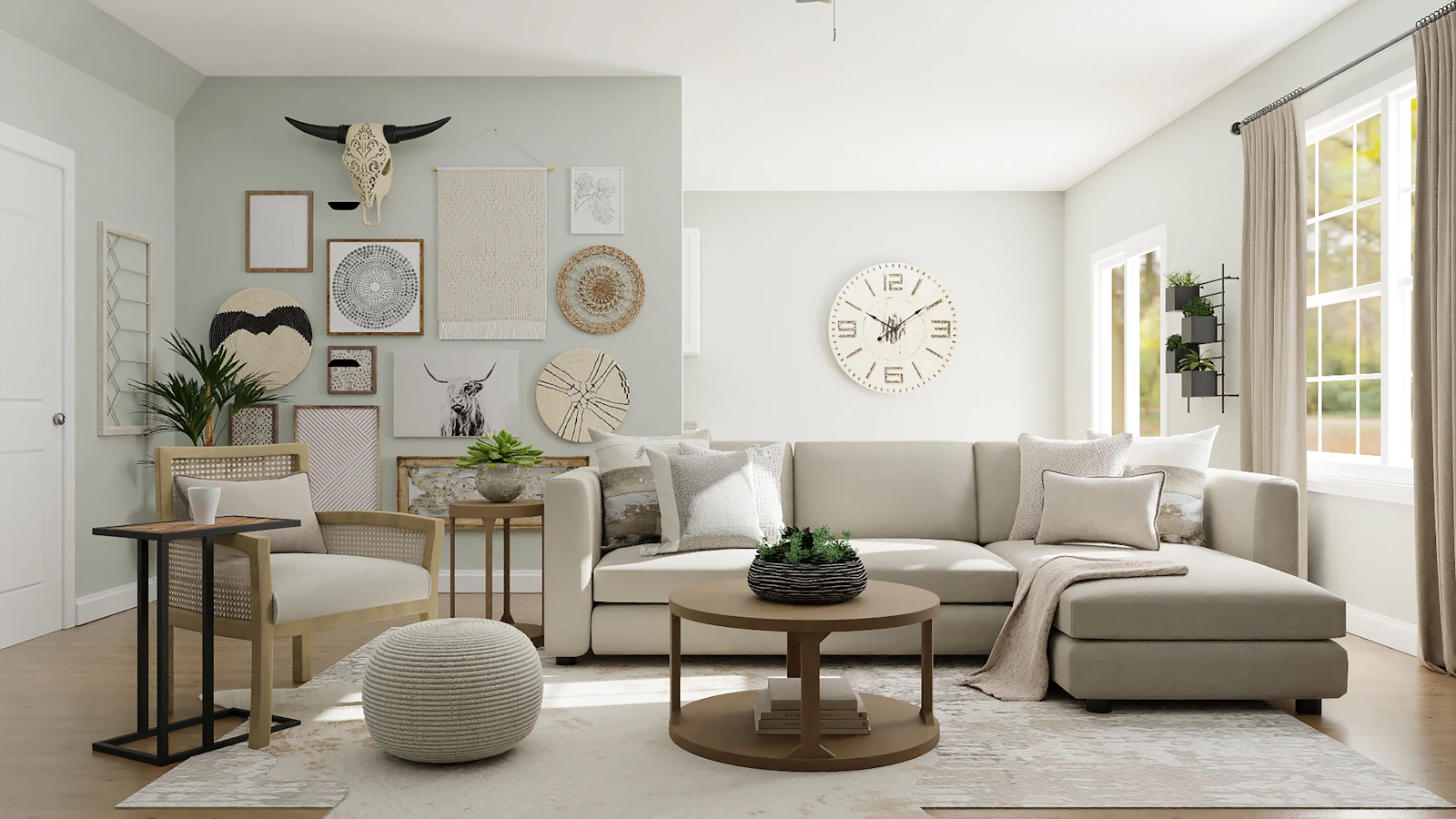
5. Your Home Environment Feels Overwhelming
Your surroundings can influence your experience of comfort and stress. Noise, harsh lighting, crowded rooms, a lack of privacy, uncomfortable temperatures, and unfinished household tasks may all contribute to feeling unsettled.
For example, a noisy household may make it difficult to concentrate. A cluttered room may remind you of responsibilities you have not completed. Poor lighting or an uncomfortable sleeping environment may make it harder to rest.
However, it is important not to oversimplify this relationship. A tidy room cannot resolve a difficult relationship, eliminate financial stress, or treat an anxiety disorder. Environmental adjustments are supportive tools, not universal solutions.
What may help: Identify one environmental factor that genuinely bothers you. Clear a small surface, reduce unnecessary background noise, adjust the lighting, improve ventilation where appropriate, or create a corner where you can spend a few quiet minutes.
Choose changes that make your home more usable and comfortable rather than creating another demanding standard of perfection.
6. Past Experiences Have Shaped How You Respond to Home
For some people, home is associated with comfort and familiarity. For others, certain rooms, sounds, interactions, or routines may remind them of earlier difficult experiences.
If you grew up around frequent conflict, unpredictable caregiving, criticism, or frightening situations, you may find that some familiar experiences bring up anxiety later in life. Difficult experiences in a previous relationship or household can also influence how you respond to a new environment.
These responses are not always conscious. You might notice tension during a particular conversation or feel uneasy when someone raises their voice, without immediately connecting that reaction to an earlier experience.
Not every anxious feeling at home is related to trauma, and it is not necessary to search for a hidden explanation for every emotion.
What may help: Notice whether particular sounds, situations, interactions, or times of day consistently trigger discomfort. If the pattern feels connected to painful experiences, a qualified mental health professional can help you explore it at a pace that feels manageable. You do not have to revisit distressing memories on your own.
7. Uncertainty About Money, Health, or the Future Follows You Home
Some worries do not disappear when the working day ends. Financial insecurity, a family member’s health, employment uncertainty, caregiving responsibilities, and major life decisions can create ongoing mental pressure.
You may feel anxious while sitting on the sofa because your mind is focused on a problem that extends far beyond the room you are in.
When a situation is uncertain, repeatedly reviewing possible outcomes can feel like a way to prepare. But going over the same scenarios without gaining new information or taking a practical step may leave you feeling increasingly exhausted.
What may help: Divide the problem into three categories:
- What I know: The facts you can currently confirm.
- What I can influence: Actions such as gathering information, making a budget, or arranging an appointment.
- What I cannot control right now: Outcomes that depend on other people or future events.
Choose a practical action from the second category if one is available. If not, set aside a specific time to review the concern rather than allowing it to dominate every part of your day.
8. Your Body Is Already Under Physical Stress
Anxiety is not exclusively a thinking experience. It can involve physical sensations and changes in arousal, including muscle tension, restlessness, changes in breathing, and a racing heartbeat.
Sleep disruption, excessive caffeine, irregular meals, illness, pain, and some medications may also contribute to feelings that resemble or intensify anxiety.
For example, after several nights of poor sleep, everyday challenges may feel harder to manage. If you consume a lot of caffeine, you may notice jitteriness or a racing heartbeat that makes you feel more unsettled.
Physical symptoms should not automatically be attributed to anxiety, particularly if they are new, severe, persistent, or unusual for you.
What may help: Review your recent sleep, caffeine intake, meals, physical activity, and general health. Try to maintain reasonably consistent sleep and meal routines, and incorporate comfortable movement into your day. If physical symptoms are concerning or unexplained, consult a healthcare professional.
9. Persistent Anxiety May Be Part of a Mental Health Condition
Sometimes anxiety at home is one part of a wider pattern rather than a response to the home environment itself.
Generalized anxiety disorder can involve excessive, difficult-to-control worry across several areas of life. Panic attacks may involve sudden episodes of intense fear and physical symptoms. Depression can sometimes occur alongside anxiety, affecting sleep, energy, motivation, and the ability to enjoy ordinary activities.
Some people also experience anxiety related to specific fears, obsessive thoughts, or difficult experiences.
Feeling anxious at home does not, by itself, establish any diagnosis. The frequency, intensity, duration, triggers, and impact on daily functioning all matter.
What may help: If anxiety is frequent, difficult to manage, affecting your sleep, or interfering with relationships, work, or everyday activities, consider speaking with a qualified healthcare or mental health professional. Psychological treatments, including cognitive behavioral therapy, can help people develop skills for managing anxiety. Depending on the circumstances, a clinician may also discuss medication or other forms of support.
How to Understand What Triggers Your Anxiety at Home
When anxiety feels confusing, it is tempting to ask yourself, “What is wrong with me?” A more useful question is, “What is happening around me, and what am I experiencing when this feeling appears?”
You do not need to analyze every thought. A brief observation over several days may reveal patterns that are difficult to notice in the moment.
Try a Simple Anxiety Pattern Journal
For a few days, write down a small amount of information when you notice anxiety. Keep the process brief so that tracking does not become another source of pressure.
| What to notice | Example |
|---|---|
| Time and situation | After dinner, while everyone is at home |
| What happened beforehand | A tense conversation about household responsibilities |
| Thoughts | “This is going to turn into another argument.” |
| Physical sensations | Shoulder tension and a restless stomach |
| What you did | Went to another room and took a few slow breaths |
| What happened next | Felt somewhat calmer after some quiet time |
After several entries, look for repeated patterns. Anxiety may be associated with a particular interaction, a certain time of day, unfinished tasks, or no obvious external trigger at all.
The purpose is not to prove that a specific cause exists. It is to gather useful information and identify where a small change or additional support may help.
10 Practical Ways to Feel Less Anxious at Home
Once you have a clearer picture of what might be contributing to your anxiety, you can experiment with small, realistic adjustments. You do not need to try all of them at once.
1. Stop Demanding That You Feel Calm Immediately
Trying to force anxiety away can sometimes add another layer of frustration. You may start feeling anxious about the fact that you are anxious.
Instead, acknowledge the experience without treating it as a personal failure.
You might say to yourself, “I am feeling anxious right now. I do not have to solve everything this minute.”
This is not the same as ignoring a genuine problem. It simply creates space to respond thoughtfully rather than reacting to every uncomfortable sensation.
2. Slow Down Your Breathing Comfortably
When you notice tension, try breathing gently and comfortably, allowing your exhale to be a little longer than your inhale if that feels natural.
For example, breathe in slowly for about four seconds and breathe out for about six seconds, without holding your breath or forcing the rhythm. Continue for a minute or two if it feels comfortable.
Some people find this helpful as a short relaxation exercise. If focusing on your breathing makes you more uncomfortable, stop and redirect your attention to something neutral, such as the feeling of your feet on the floor.
3. Create a Gentle Transition From the Outside World
Give yourself a few minutes to move from daily responsibilities into personal time.
You could change into comfortable clothes, wash your face, prepare a drink, listen to music, or take a short walk around the block. Choose an activity that does not feel like another obligation.
A predictable transition may make it easier to recognize that the workday has ended, even if some concerns remain unresolved.
4. Make One Small Change to Your Environment
Rather than redesigning an entire room, focus on a single source of discomfort.
- Open the curtains if daylight is available.
- Reduce unnecessary background noise.
- Clear one surface that feels distracting.
- Adjust the temperature or seating if possible.
- Create a small space where you can sit comfortably.
These adjustments will not address every cause of anxiety, but they can make the immediate environment more comfortable.
5. Set Boundaries Around Work and Household Tasks
If your home feels like a continuous list of responsibilities, consider setting realistic stopping points.
Choose a manageable number of tasks for the day. Decide which responsibilities can wait. If you share a household, discuss how tasks can be distributed more fairly.
Boundaries are not about avoiding responsibility. They help make responsibility more sustainable.
6. Make Space for Meaningful Connection
If you feel disconnected, choose one form of contact that genuinely matters to you.
It might be a conversation with your partner, a phone call with a friend, reading with your child, or sharing a meal without screens. If you live alone, consider a regular activity that creates opportunities to see familiar people.
Meaningful connection does not require constant conversation. Feeling heard and respected can matter more than the amount of time spent together.
7. Reduce Repetitive Worry With a Practical Plan
When you notice the same concern returning, ask whether there is a useful action available now.
If there is, write down the next step and when you will take it. If the issue cannot be resolved at present, acknowledge that uncertainty remains and redirect your attention to an activity you have chosen.
For some people, setting aside a brief, scheduled period to review worries can help reduce the tendency to revisit them throughout the day.
8. Support Your Physical Wellbeing
Basic routines can make everyday stress easier to manage, although they are not substitutes for treatment when anxiety is persistent.
- Keep a reasonably consistent sleep schedule.
- Notice whether caffeine makes you feel more restless.
- Eat regular meals that meet your needs.
- Include comfortable physical activity in your routine.
- Take breaks from prolonged screen use when useful.
Start with one habit that seems achievable. Consistency is more practical than attempting a complete lifestyle overhaul.
9. Spend Time on an Activity That Holds Your Attention
When anxiety keeps pulling your attention toward future problems, a simple, engaging activity can provide a helpful alternative focus.
Try cooking, gardening, reading, drawing, doing a puzzle, or taking a walk. You do not need to feel enthusiastic before starting. The goal is to participate in something manageable, not to demand that the activity immediately change your mood.
10. Seek Support Instead of Carrying Everything Alone
If anxiety continues to affect your life, support can make a meaningful difference.
Depending on your circumstances, this might mean speaking with someone you trust, consulting a primary care provider, or finding a licensed mental health professional.
You do not need to wait until anxiety becomes overwhelming to ask for help. Professional support can help you understand your triggers, learn coping strategies, and consider appropriate treatment options.

What If You Feel Anxious Only When You Are Alone at Home?
Feeling anxious when you are home alone can have several possible explanations.
You may feel uncomfortable with silence, worry about unexpected events, miss the reassurance of other people, or become more aware of physical sensations when there are fewer distractions. For some people, particular fears or previous experiences also play a role.
First, consider whether there is an actual safety concern that needs to be addressed. Practical steps such as checking that doors are locked, improving lighting, and keeping emergency contacts accessible can be reasonable.
If you have already addressed practical safety and still find yourself repeatedly checking, seeking reassurance, or imagining worst-case scenarios, additional checking may not provide lasting relief.
Try establishing a comfortable routine while alone. You might prepare a meal, listen to a familiar program, call someone you trust, or work on a small activity. If the anxiety is severe or leads you to avoid ordinary activities, a mental health professional can help you work through it gradually.
What If Your Home Is the Actual Source of Your Anxiety?
It is important to acknowledge that not all anxiety at home is internal or unexplained.
If you live with ongoing conflict, intimidation, harassment, coercive control, or violence, your anxiety may be a response to a real situation. In those circumstances, simply practicing mindfulness, improving the lighting, or changing your daily routine is not enough.
Focus on your safety and consider speaking with a trusted person, healthcare professional, or local service that supports people experiencing domestic abuse. If you are in immediate danger, contact local emergency services.
Even when there is no immediate threat, persistent disrespect, a lack of privacy, or unfair responsibilities may deserve practical attention. You are allowed to take your discomfort seriously without assuming that every relationship problem is your fault.
When Should You Seek Professional Help?
Occasional anxiety is a common human experience. However, it is worth seeking professional guidance when anxiety becomes persistent, difficult to control, or disruptive.
Consider speaking with a healthcare or mental health professional if:
- You feel anxious most days or experience repeated episodes of intense fear.
- Worry interferes with your sleep, concentration, relationships, or work.
- You avoid necessary activities because of anxiety.
- You experience physical symptoms that are new, severe, or unexplained.
- You feel increasingly hopeless, emotionally exhausted, or unable to cope.
A clinician can help assess whether anxiety is related to life stress, a mental health condition, a physical health issue, medication effects, or a combination of factors.
If you are experiencing thoughts of suicide or feel unable to keep yourself safe, seek immediate support. In Canada, you can call or text 988 for suicide crisis support. If there is immediate danger, contact emergency services.
A Simple 7-Day Plan to Feel More at Ease at Home
If you are unsure where to begin, use this gentle plan as a starting point. It is not a treatment program, and you can adapt or skip any activity that does not suit your circumstances.
| Day | Small action | Purpose |
|---|---|---|
| Day 1 | Write down when you notice anxiety and what was happening beforehand. | Recognize possible patterns. |
| Day 2 | Make one small adjustment to a space where you spend time. | Improve everyday comfort. |
| Day 3 | Try a brief transition ritual after work or daily responsibilities. | Create a clearer boundary between tasks and rest. |
| Day 4 | Reach out to one person for a meaningful conversation. | Support social connection. |
| Day 5 | Choose one manageable concern and identify a practical next step. | Reduce unstructured worrying. |
| Day 6 | Spend time on a comfortable activity that engages your attention. | Make room for ordinary enjoyment. |
| Day 7 | Review what felt helpful and decide whether you need additional support. | Build a realistic next step. |
At the end of the week, do not judge your progress only by whether anxiety disappeared. Consider whether you understand your experience a little better, have identified a useful adjustment, or feel more prepared to ask for help.
Frequently Asked Questions
Why do I feel anxious at home for no reason?
Anxiety may appear without an obvious immediate trigger. Stress can accumulate gradually, physical sensations may contribute, and worries may become more noticeable when distractions decrease. Sometimes the cause is not immediately clear. Briefly observing your circumstances and symptoms can help, but persistent anxiety deserves professional assessment.
Why do I feel more anxious at home than at work?
Work may provide structure, tasks, and social interaction that keep your attention occupied. At home, you may have more time to notice worries, relationship concerns, or physical tension. In other cases, household responsibilities or family dynamics may contribute. The reasons depend on your individual circumstances.
Can a messy home make anxiety worse?
For some people, clutter and unfinished tasks can feel distracting or overwhelming. Reducing a specific source of visual or practical stress may improve comfort. However, clutter is not the cause of every person’s anxiety, and a perfectly organized home is not a requirement for good mental health.
Is it normal to feel anxious when relaxing?
Some people feel restless or uncomfortable when they stop being busy. This may happen when they are accustomed to high levels of activity, are carrying unresolved worries, or find quiet moments emotionally difficult. You can begin with short periods of manageable downtime rather than forcing yourself into long periods of stillness.
Can living with family cause anxiety?
Family relationships can contribute to anxiety when there is ongoing conflict, criticism, pressure, limited privacy, or unequal responsibilities. Living with family does not automatically cause anxiety, but the quality and safety of those relationships can affect emotional wellbeing.
How can I calm anxiety at home quickly?
Try a simple grounding activity, such as noticing your feet on the floor, naming a few things you can see, or moving to a comfortable, quieter space. Gentle breathing or speaking with someone you trust may also help. These techniques can make an anxious moment more manageable, but they do not replace treatment for persistent or severe anxiety.
Does feeling anxious at home mean I have an anxiety disorder?
No. Anxiety can occur in response to ordinary stress, difficult circumstances, physical discomfort, or uncertainty. An anxiety disorder involves a broader clinical assessment of symptoms, duration, distress, and impact on daily functioning. A qualified professional can help determine what may be happening.
Will changing my home environment make my anxiety go away?
Improving comfort, reducing avoidable noise, and creating a more supportive routine may help some people. But anxiety can have multiple causes, including relationship stress, health concerns, and mental health conditions. Environmental changes are best viewed as one possible part of a wider approach.
Final Thoughts: You Deserve to Feel Comfortable in Your Own Home
Feeling anxious at home can be especially frustrating because home is often expected to be a place of rest. Yet your emotional experience is shaped by more than the rooms around you. It can reflect your relationships, responsibilities, health, past experiences, and the worries you carry from one day to the next.
Rather than judging yourself for feeling anxious, start by becoming curious about what may be contributing to it. Notice the situations in which it appears. Make small, practical adjustments where possible. Reach for meaningful connection, and seek professional support if anxiety is affecting your everyday life.
You do not need to create a perfect home or achieve constant calm. A more realistic goal is to build an environment and a daily life in which you have greater comfort, support, and room to respond to difficult feelings.
And if your home is not currently a safe place, remember that your safety matters more than any relaxation routine. You deserve support that takes your circumstances seriously.
Related LoveAHH Guides
- Anxiety Relief at Home: Creating a Space That Calms
- How to Create a Peaceful Home Environment
- Emotional Healing: Simple Practices to Restore Inner Calm
- Letting Go of Stress: Calm Practices You Can Do at Home
- How to Find Inner Balance in a Busy and Noisy World
- Evening Routine for Better Sleep and Less Anxiety
Authoritative Sources & References
- National Institute of Mental Health (NIMH): Anxiety Disorders — An overview of anxiety disorders, symptoms, and treatment.
- NHS: Generalised Anxiety Disorder (GAD) — Information about symptoms, causes, and support.
- National Institute of Mental Health (NIMH): Psychotherapies — An introduction to evidence-based psychological treatments.
- Centers for Disease Control and Prevention (CDC): Mental Health — General information and resources for mental wellbeing.
- Government of Canada: Mental Health Support — Canadian mental health and crisis support resources.
Editorial note: This article is for general educational purposes and is not a substitute for diagnosis, treatment, or individualized medical advice.
Recommended Articles:
- Evening Routine for Better Sleep and Less Anxiety: 10 Simple Habits to Wind Down
- How to Stop Feeling Empty: A Gentle, Practical Path Back to Yourself
- How to Feel Happy Again: Gentle Steps to Reclaim Joy
- How to Stop Overthinking: A Practical Guide to Quiet Your Mind
- Anxiety Relief at Home: How to Create a Calmer Space That Supports You
- How to Calm Anxiety at Home Naturally (12 Proven Ways)
- Why Do I Feel Restless All the Time? Causes, What It Means & How to Feel Calmer
- Why Do I Feel Overwhelmed in My Relationship? 12 Hidden Sources of Emotional Pressure
- Why Do I Feel Sad at Night? 13 Hidden Reasons Your Heart Aches After Dark
- Why Do I Feel Empty After Social Media? 10 Hidden Causes Behind the Scroll
- Why Do I Feel Like Something Is Missing in My Life? 12 Hidden Reasons Behind the Emptiness
- Why Do I Feel Drained After Talking to People? 10 Hidden Causes of Social Fatigue
- When Home Doesn’t Feel Safe: Why Do I Feel Anxious in My Own House?
- When You Don’t Recognize Yourself in the Mirror: Why Do I Feel Disconnected from Myself?
- Why Do I Feel Stuck in Life? 11 Root Causes & How to Move Forward
- When Life Loses Its Spark: Why Do I Feel Bored With My Life?
- Why Do I Feel Like I Don’t Belong Anywhere? 9 Hidden Reasons and the Path to True Connection
- Why Do I Feel Like I’m Not Good Enough? Understanding Self-Doubt and Low Self-Worth
- Why Do I Feel Like I’m Not Good Enough? Understanding Low Self-Worth
- Why Do I Feel Emotionally Exhausted? Causes & Healing
- Why Do I Feel Overwhelmed by Simple Things? Understanding Emotional Overload and Stress Sensitivity
- Why Do I Feel Unmotivated and Tired? Understanding Low Energy, Burnout, and Lack of Drive
- Why Do I Feel Mentally Drained Every Day? Understanding Burnout, Fatigue, and Emotional Exhaustion
- Why Do I Feel Lost in Life Right Now? Find Your Purpose, Direction & Yourself
- Why Do I Feel Unhappy for No Reason? Real Causes, What It Means & Simple Ways to Feel Better
- Why Do I Feel Anxious at Home? 9 Real Causes and How to Feel More at Ease
- Why Do I Feel Emotionally Numb All the Time? Understanding Emotional Numbness and How to Feel Again
- How to Calm Anxiety at Home: Gentle, Science-Backed Ways to Create Anxiety Relief in Your Safe Space
- Letting Go of Stress: Calm Practices You Can Do at Home
- Everyday Rituals That Support Emotional Wellbeing

- How to Find Inner Balance in a Busy and Noisy World
- Self-Care at Home That Actually Helps

- Emotional Healing: Simple Practices to Restore Inner Calm