

This is my little online home where we celebrate life's real magic - the warm connections, simple self-care rituals, and those quiet moments that stay with you.
What I do here:
• Craft stories and tips to brighten your everyday
• Build a space where everyone feels welcome
• Make each visit worth your while - whether you need quick advice or food for thought
My superpowers? Turning ordinary moments into something special through words that actually mean something.
Off-screen, I'm probably:
☕ Curled up with a book that changes my perspective
🎨 Trying some new creative hobby
🌿 Noticing the small wonders we usually rush past
So glad you're here - let's make something meaningful together!

Table of Contents
🏡 Creating Comfort at Home Through Thoughtful Daily Routines
A truly comfortable home isn’t defined by how it looks — but by how it feels when you live in it, day after day.
Many people search for comfort by changing furniture, buying décor, or following home trends. While these can help, they often miss the deeper truth:
👉 Comfort is built through daily experiences, not design alone.
A home feels comforting when it supports your emotions, respects your energy, and provides a sense of safety and belonging. In this article, we’ll explore how thoughtful daily routines can transform your home into a calm, nurturing, and emotionally supportive space 🌿
🧠 The Psychology Behind Comfort at Home
From a psychological perspective, comfort is closely tied to predictability and emotional safety.
Research in environmental psychology shows that:
- Predictable routines lower cortisol (stress hormone)
- Familiar rhythms create a sense of control
- Consistent environments support emotional regulation
- Homes associated with calm routines feel safer over time
🏠 When daily routines happen in the same environment, the brain begins to associate home with rest, balance, and relief.
☀️ Morning Routines That Set a Supportive Tone
The emotional tone of your home often begins in the morning.
Simple but powerful morning routines include:
- Opening curtains to let in natural light
- Opening windows for fresh air
- Making the bed gently (progress, not perfection)
- Avoiding immediate screen use
- Standing or sitting quietly in the same spot each morning
🌅 These habits signal to your nervous system that the day is beginning calmly — not urgently.
💡 How Lighting Routines Influence Emotional Comfort
Light plays a major role in how a space feels emotionally.
Thoughtful lighting habits:
- Bright, natural light during the morning and early afternoon
- Gradually softer lighting in the evening
- Turning off harsh overhead lights after sunset
- Using lamps, candles, or warm bulbs
🕯️ Over time, your body learns to relax naturally in your home as lighting changes.
🧺 Small Reset Habits That Reduce Mental Clutter
Clutter doesn’t just affect space — it affects the mind.
Instead of deep cleaning, focus on daily micro-resets:
- 5–10 minutes in the evening
- Clearing one surface at a time
- Returning items to their place
- Preparing one small thing for tomorrow
🧺 These habits prevent overwhelm and help your home feel lighter and calmer.
🌿 Bringing Nature Into Everyday Home Life
Humans are biologically wired to feel calmer around nature.
Daily nature-based routines can include:
- Opening windows whenever weather allows
- Caring for a plant (even one is enough)
- Sitting near a window during breaks
- Choosing natural materials like wood, linen, or cotton
🌿 Studies show even minimal exposure to natural elements improves mood and reduces stress.
🪑 Creating Intentional Pause Moments at Home
Comfort is not only about movement — it’s also about stillness.
Pause routines might include:
- Drinking tea or coffee without distractions
- Reading a few pages of a book
- Gentle stretching or breathing
- Sitting quietly for a few minutes
🪑 These moments transform your home from a functional space into a restorative one.
🔊 Sound and Silence: An Overlooked Comfort Factor
Sound deeply affects emotional wellbeing.
Supportive sound routines include:
- Lowering background noise
- Playing calming music at certain times
- Allowing natural sounds (wind, rain, birds) inside
- Embracing silence when possible
🎶 A calmer sound environment helps the home feel emotionally safe.
🌙 Evening Routines That Help the Home “Wind Down”
A comfortable home knows how to close the day gently.
Evening routines that support comfort:
- Dimming lights gradually
- Preparing small things for tomorrow
- Turning off screens at a consistent time
- Reflecting on the day with gratitude
🌙 Emotional closure allows deeper rest and better sleep.
🧠 Adapting Routines to Your Real Life
Comfort is personal. There is no universal routine.
Ask yourself:
Do my routines support my energy, lifestyle, and emotional needs right now?
✨ The most effective routines are flexible, realistic, and kind.
🌱 Why Small Routines Matter More Than Big Changes
You don’t need a new home to feel comfortable.
Comfort grows from:
- Small actions
- Repetition
- Emotional awareness
💛 Over time, these routines teach your home how to support you.
🌼 Comfort Is a Relationship, Not a Destination
A comforting home evolves with you.
Some days it offers energy.
Some days it offers rest.
Some days it offers quiet support.
🌼 When daily routines align with your life, your home becomes a place that truly holds you.
❓ Frequently Asked Questions (FAQ)
❓ Can daily routines really change how a home feels?
Yes. Studies show routines reduce anxiety and increase emotional stability, which directly affects spatial perception.
❓ What is the easiest routine to start with?
Opening curtains and letting in natural light each morning is simple and effective.
❓ Do routines need to be strict?
No. Gentle, flexible routines are far more sustainable and emotionally supportive.
❓ How long does it take to feel a difference?
Many people notice improvements within days, especially when routines reduce stress.
❓ Are these routines suitable for families or shared homes?
Absolutely. They can be adapted to any household structure.
📚 Authoritative Sources & References
- American Psychological Association – Stress & Daily Habits
https://www.apa.org/topics/stress - Verywell Mind – The Benefits of Having a Routine
https://www.verywellmind.com/the-benefits-of-having-a-routine-2795431 - Healthline – Why Routines Matter for Mental Health
https://www.healthline.com/health/mental-health/daily-routine - Journal of Environmental Psychology
https://www.sciencedirect.com/journal/journal-of-environmental-psychology - Frontiers in Psychology – Home Environment and Wellbeing
https://www.frontiersin.org/journals/psychology
✅ Personalized Amazon Product Recommendations

The 5 Love Languages: The Secret to Love that Lasts

Attached: The New Science of Adult Attachment and How It Can Help You Find–and Keep–Love
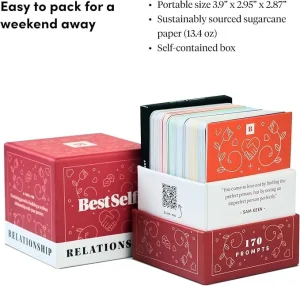
BestSelf Relationship Deck – 150 Discussion Prompts to Create Real Conversations – Perfect Couples Games, Card Games for Adults, and Amazing Gifts for Wife

Electric Spin Scrubber, Cordless Cleaning Brush Scrubber for Home, 8 Replaceable Brush Heads-90Mins Work Time, 3 Adjustable Size, 2 Speeds for Bathroom Shower Bathtub Glass Car
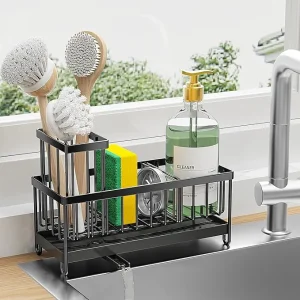
Cisily Black Sponge Holder for Kitchen Sink, Sink Caddy Organizer with High Brush Holder, Kitchen Countertop Organizers and Storage Essentials, Rustproof 304 Stainless Steel, Soap Dispenser Organize
Recommended Articles:
- How to Create a Loving and Happy Home: 15 Simple Habits for a Peaceful Life

- What Actually Makes a Home Feel Happy?

- Creating Comfort at Home Through Thoughtful Daily Routines

- How to Reset the Energy of Your Home in One Weekend

- Simple Living Ideas for a Cozy and Joyful Home

- 7 Daily Habits That Quietly Create a Happier Home

- Why Your Home Doesn’t Feel Calm — And How to Change That

💬 Why Tip? It’s Not Just Money — It’s Motivation ❤️
| 😊 What You Got | 🎁 What I Get | 🔗 What You Can Do |
|---|---|---|
| ✔️ A smile or laugh | ✔️ A reason to keep creating | 👉 Buy me a coffee ☕️ |
| ✔️ Useful tips, insights, or ideas | ✔️ Proof that this content helps | 👉 Click the support button 💸 |
| ✔️ Fun, relatable content | ✔️ Motivation to go deeper & better | 👉 Leave a tip + kind feedback 🙌 |
| ✔️ Ad-free reading experience | ✔️ A little financial breathing room | 👉 $1 isn’t too little, $10 isn’t too much 🎉 |
| ✔️ A sense of connection | ✔️ The joy of being seen and supported | 👉 Let me know you’re out there 👀 |
❤️ If you made it this far, maybe that’s your sign to support? Every tip matters!