


This is my little online home where we celebrate life's real magic - the warm connections, simple self-care rituals, and those quiet moments that stay with you.
What I do here:
• Craft stories and tips to brighten your everyday
• Build a space where everyone feels welcome
• Make each visit worth your while - whether you need quick advice or food for thought
My superpowers? Turning ordinary moments into something special through words that actually mean something.
Off-screen, I'm probably:
☕ Curled up with a book that changes my perspective
🎨 Trying some new creative hobby
🌿 Noticing the small wonders we usually rush past
So glad you're here - let's make something meaningful together!

Table of Contents
Everyday Rituals That Support Emotional Wellbeing 🌿
Simple Daily Practices That Help You Feel Calmer, Safer, and More Emotionally Balanced
Emotional wellbeing is rarely the result of one big life change.
More often, it is shaped quietly — through the small things you do every day.
The way you wake up.
The pauses you allow.
The kindness you show yourself.
The safety you create at home.
In a fast-moving world filled with constant stimulation, everyday rituals offer something deeply restorative: predictability.
And predictability tells the nervous system:
You are safe.
You can slow down.
You can breathe.
This guide explores gentle, research-supported rituals that help regulate emotions, reduce stress, and cultivate inner steadiness — without requiring perfection, complicated routines, or major lifestyle changes. 🤍
Because emotional wellbeing is not something you chase.
It is something you practice.
🌱 What Are Everyday Rituals?
Everyday rituals are small, intentional actions performed with awareness and care. Unlike productivity habits, rituals focus less on achievement and more on emotional experience.
They create rhythm in your day — and rhythm creates psychological safety.
Examples include:
- Opening the curtains each morning
- Drinking tea slowly
- Taking a quiet breath before switching tasks
- Dimming lights in the evening
- Writing down lingering thoughts
These moments may appear ordinary, yet their emotional impact is profound.
Research in behavioral psychology suggests that predictable routines help regulate the stress response system, making it easier for the brain to move out of survival mode.
Over time, calm becomes more familiar — and familiarity reduces anxiety.
If you’re beginning a deeper emotional reset, you may also benefit from reading
👉 Emotional Healing: Simple Practices to Restore Inner Calm, which explores how emotional recovery starts with safety rather than self-pressure.
🧠 Why Rituals Are Powerful for Emotional Health
Your brain constantly scans for cues of danger or safety — a process known as neuroception.
When life feels chaotic, the brain stays alert.
But small, repeated rituals send a different signal:
Nothing is threatening right now.
This allows your nervous system to downshift.
Daily rituals can help:
✅ Lower baseline stress
✅ Improve emotional regulation
✅ Reduce reactivity
✅ Support clearer thinking
✅ Encourage self-trust
✅ Improve sleep quality
Most importantly, rituals shift emotional care from something occasional into something lived.
Not dramatic.
Not overwhelming.
Just steady.
🌸 Start Small — Because Small Is Sustainable
One of the biggest misconceptions about emotional wellbeing is that it requires major change.
It doesn’t.
The nervous system responds more strongly to consistency than intensity.
A single slow breath practiced daily is more regulating than an occasional weekend reset.
Instead of redesigning your life overnight, focus on gentle repetition.
Small rituals become emotional anchors — especially during uncertain seasons.
If your life currently feels overstimulating, consider exploring
👉 How to Find Inner Balance in a Busy and Noisy World, where practical strategies help you regain steadiness without withdrawing from life.
🌞 Morning Rituals That Set an Emotional Tone
Your morning does more than start your schedule — it establishes your emotional baseline.
A rushed beginning trains the brain toward vigilance.
A gentle beginning encourages regulation.
☀️ 1. Wake Without Immediate Input
Before reaching for your phone, allow your mind to arrive.
Try:
- Taking one deep breath
- Stretching slowly
- Noticing natural light
- Sitting up gradually
This brief transition reduces the cortisol spike linked to sudden stimulation.
Think of it as emotional buffering.
🌿 2. Let Natural Light Guide Your Brain Awake
Morning light plays a crucial role in regulating circadian rhythms and serotonin production.
Whenever possible:
- Open curtains early
- Step outside for a minute
- Sit near a window
Light is one of the simplest emotional regulators available — and one many people overlook.
🧘♀️ 3. Practice a 60-Second Emotional Check-In
Ask gently:
How am I arriving today?
You don’t need solutions.
Awareness alone reduces emotional suppression, which research links to increased stress.
Naming feelings helps the brain organize them — making them less overwhelming.
🏡 Midday Rituals That Prevent Emotional Build-Up
Emotional exhaustion often isn’t caused by one big stressor.
It’s caused by unreleased micro-stress accumulating throughout the day.
Small resets prevent overload.
🌬️ 4. Insert Micro-Pauses Between Tasks
Instead of rushing forward, pause for 10–20 seconds.
Relax your jaw.
Drop your shoulders.
Exhale longer than you inhale.
These brief moments regulate the autonomic nervous system more than you might expect.
If your environment feels overstimulating, you may find guidance in
👉 How to Create a Peaceful Home Environment That Feels Calm and Safe.
Your surroundings shape your emotional state — often quietly.
🍵 5. Turn an Ordinary Activity Into a Ritual
Choose something you already do daily:
- Brewing coffee
- Washing dishes
- Preparing lunch
- Watering plants
Now slow it slightly.
Notice textures.
Temperatures.
Movement.
Presence transforms routine into restoration.
💛 6. Practice Supportive Self-Talk
Your inner voice becomes the emotional climate you live inside.
Try shifting from criticism to support:
Instead of:
❌ I should be handling this better.
Try:
✅ This is a lot. It makes sense I feel stretched.
Gentle internal language creates psychological safety.
For deeper guidance, explore
👉 Self-Care at Home: Gentle Ways to Care for Your Mind and Heart.
🌙 Evening Rituals That Help the Mind Release the Day
Many people attempt sleep without first allowing their brain to decompress.
But the nervous system needs a bridge from alertness to rest.
Evening rituals provide that bridge.
🕯️ 7. Dim the Lights and Soften the Atmosphere
Bright lighting signals alertness.
Softer lighting encourages melatonin production and emotional unwinding.
Your home does not need perfection — only gentleness.
If you’re building a calmer lifestyle overall,
👉 Simple Living Ideas for a Cozy and Joyful Home offers deeper inspiration.
✍️ 8. Externalize Lingering Thoughts
Before bed, write down:
- What felt heavy
- What can wait
- What went well
This reduces rumination — one of the biggest disruptors of emotional recovery.
You don’t need polished journaling.
Just honesty.
🌌 9. Create a Predictable Wind-Down Cue
Consistency conditions the brain for rest.
Examples:
- Herbal tea
- Gentle stretching
- Soft music
- Reading
Eventually, your body begins calming automatically when the ritual begins.
This is emotional conditioning at work.
Quiet — yet powerful.
🌼 Signs Your Emotional Wellbeing Is Strengthening
Progress is often subtle, but meaningful.
You may notice:
- Faster recovery from stress
- Fewer emotional spikes
- Greater patience
- Improved sleep
- Feeling safer at home
- Less inner urgency
These shifts indicate nervous system regulation — the true foundation of emotional health.
⚠️ What Rituals Are NOT
Let’s remove unnecessary pressure.
Rituals are not:
❌ rigid schedules
❌ productivity hacks
❌ aesthetic performances
❌ proof of discipline
They are acts of self-support.
Nothing more is required.
🌱 Emotional Wellbeing Is Built Through Return — Not Perfection
You will skip days.
Life will interrupt.
That is not failure.
Emotional resilience is strengthened each time you gently return.
Start with one ritual.
Let it become familiar.
Then let familiarity become safety.
Over time, your daily life itself begins to feel more supportive.
And that changes everything.
❓ Frequently Asked Questions (FAQ)
💬 What are everyday rituals for emotional wellbeing?
They are small, consistent practices that help regulate emotions, reduce stress, and create a sense of psychological safety.
💬 How long does it take to feel the benefits?
Many people notice subtle emotional shifts within a few weeks when rituals are practiced consistently.
💬 Do rituals need to happen at the same time daily?
Predictability helps, but gentleness matters more than precision.
💬 Can small rituals really reduce anxiety?
Yes. Research shows predictable behaviors increase perceived control, lowering stress responses.
💬 What if I forget or miss a day?
Nothing is lost. Emotional wellbeing grows through repetition — not perfection.
🌸 Final Thoughts
Emotional wellbeing is not reserved for slower seasons of life.
It is something you can nurture — even on busy days.
Through small rituals, compassionate awareness, and supportive environments, your everyday life can become a place where calm feels possible again.
You don’t need to change everything.
Just begin with one quiet moment.
And return to it tomorrow. 🤍
📚 Authoritative Sources & References
American Psychological Association (APA)
Stress, resilience, and emotional health
🔗 https://www.apa.org/topics/stress
National Institute of Mental Health (NIMH)
Mental health and emotional regulation
🔗 https://www.nimh.nih.gov/health
Greater Good Science Center — UC Berkeley
Research on mindfulness and emotional wellbeing
🔗 https://greatergood.berkeley.edu
Harvard Health Publishing
Daily habits that support psychological health
🔗 https://www.health.harvard.edu/mind-and-mood
Journal of Environmental Psychology
Environmental predictability and stress reduction
🔗 https://www.journals.elsevier.com/journal-of-environmental-psychology
Frontiers in Psychology
Habit formation and emotional regulation
🔗 https://www.frontiersin.org/journals/psychology
✅ Personalized Amazon Product Recommendations

The 5 Love Languages: The Secret to Love that Lasts
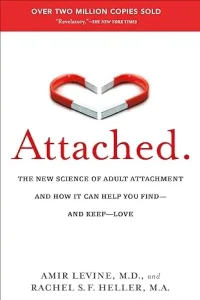
Attached: The New Science of Adult Attachment and How It Can Help You Find–and Keep–Love
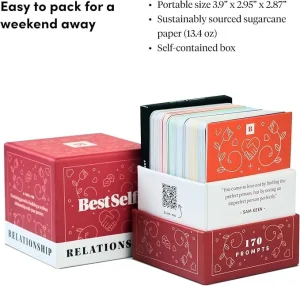
BestSelf Relationship Deck – 150 Discussion Prompts to Create Real Conversations – Perfect Couples Games, Card Games for Adults, and Amazing Gifts for Wife

Electric Spin Scrubber, Cordless Cleaning Brush Scrubber for Home, 8 Replaceable Brush Heads-90Mins Work Time, 3 Adjustable Size, 2 Speeds for Bathroom Shower Bathtub Glass Car

Cisily Black Sponge Holder for Kitchen Sink, Sink Caddy Organizer with High Brush Holder, Kitchen Countertop Organizers and Storage Essentials, Rustproof 304 Stainless Steel, Soap Dispenser Organize
Recommended Articles:
- Letting Go of Stress: Calm Practices You Can Do at Home

- Everyday Rituals That Support Emotional Wellbeing

- How to Find Inner Balance in a Busy and Noisy World

- Self-Care at Home That Actually Helps

- Emotional Healing: Simple Practices to Restore Inner Calm
💬 Why Tip? It’s Not Just Money — It’s Motivation ❤️
| 😊 What You Got | 🎁 What I Get | 🔗 What You Can Do |
|---|---|---|
| ✔️ A smile or laugh | ✔️ A reason to keep creating | 👉 Buy me a coffee ☕️ |
| ✔️ Useful tips, insights, or ideas | ✔️ Proof that this content helps | 👉 Click the support button 💸 |
| ✔️ Fun, relatable content | ✔️ Motivation to go deeper & better | 👉 Leave a tip + kind feedback 🙌 |
| ✔️ Ad-free reading experience | ✔️ A little financial breathing room | 👉 $1 isn’t too little, $10 isn’t too much 🎉 |
| ✔️ A sense of connection | ✔️ The joy of being seen and supported | 👉 Let me know you’re out there 👀 |
❤️ If you made it this far, maybe that’s your sign to support? Every tip matters!