

This is my little online home where we celebrate life's real magic - the warm connections, simple self-care rituals, and those quiet moments that stay with you.
What I do here:
• Craft stories and tips to brighten your everyday
• Build a space where everyone feels welcome
• Make each visit worth your while - whether you need quick advice or food for thought
My superpowers? Turning ordinary moments into something special through words that actually mean something.
Off-screen, I'm probably:
☕ Curled up with a book that changes my perspective
🎨 Trying some new creative hobby
🌿 Noticing the small wonders we usually rush past
So glad you're here - let's make something meaningful together!
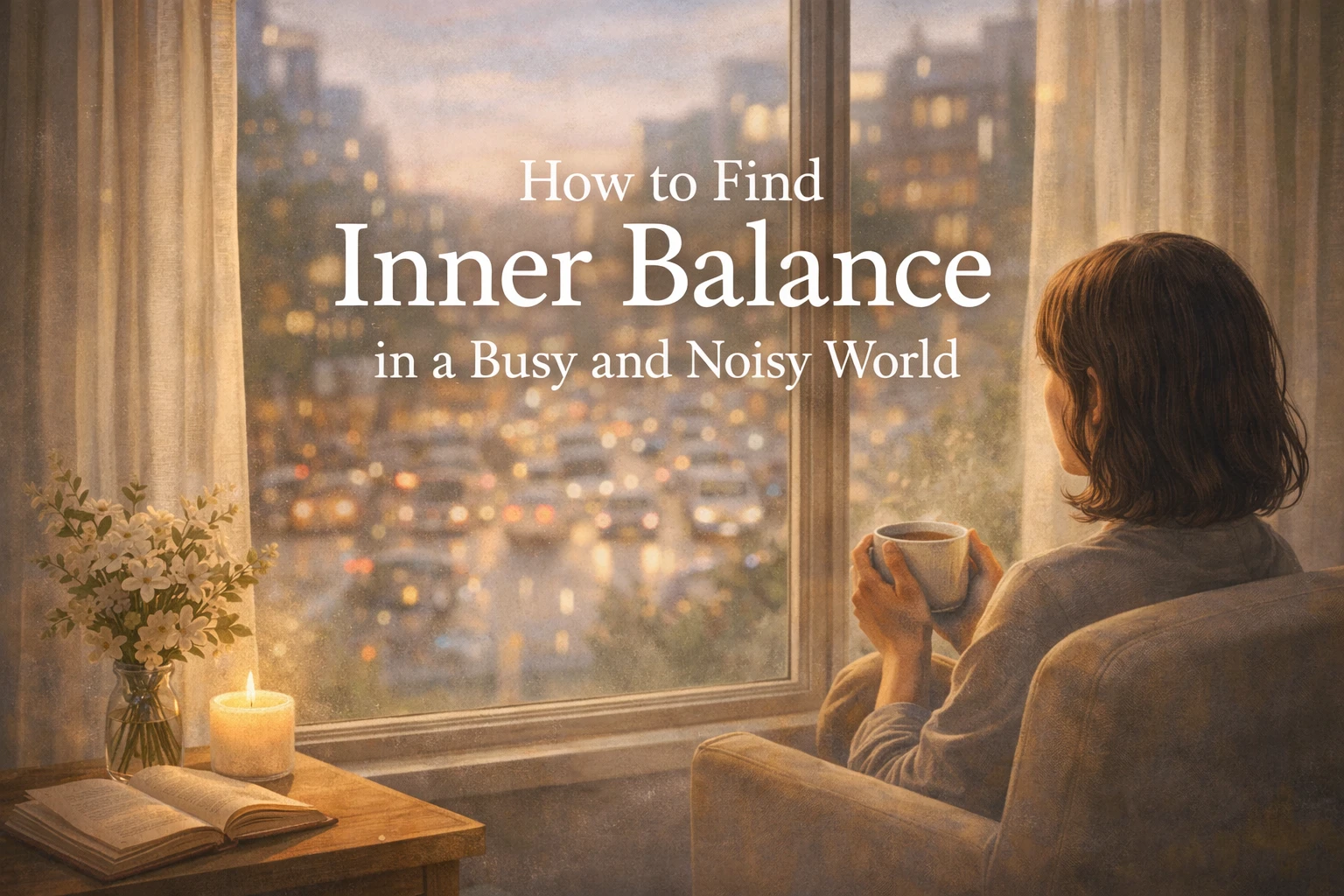
Table of Contents
How to Find Inner Balance in a Busy and Noisy World 🌿
In today’s fast-paced world, it’s easy to feel pulled in a hundred directions at once. Between work, family, social obligations, and the constant hum of digital devices, our minds can feel overstimulated and scattered. Finding inner balance isn’t about escaping life — it’s about learning to navigate it with calm, intention, and emotional clarity. 🤍
This guide explores practical strategies, gentle habits, and mindful routines to help you restore balance in your everyday life, even amid the chaos.
🌱 What Inner Balance Really Means
Inner balance is a state where your mind, body, and emotions feel aligned. It doesn’t mean perfection or total control — it means:
- Emotional awareness: Understanding what you feel and why
- Mental clarity: Being able to focus without mental clutter
- Physical calm: Feeling grounded and rested
- Spiritual or emotional alignment: Being connected to your values and priorities
Inner balance allows you to respond rather than react, find peace in small moments, and approach challenges with steadiness.
💡 Tip: Many people begin cultivating balance by integrating self-care at home routines into their daily life. Learn more here.
🧠 Why Finding Balance Matters
Living in a noisy, busy environment without balance can lead to:
- Stress and anxiety
- Emotional overwhelm
- Difficulty focusing or sleeping
- Strained relationships
Research shows that consistent self-care, emotional awareness, and supportive home routines improve mental health and resilience. (APA, NIMH)
Inner balance isn’t a luxury — it’s a foundation for thriving, not just surviving.
🌸 Simple Practices to Restore Balance
You don’t need drastic changes. Small, repeatable habits are often more effective than major life overhauls.
🧘♀️ 1. Daily Emotional Check-Ins
Pause a few times each day and ask:
- How am I feeling right now?
- What thoughts or emotions are taking up space?
Acknowledge feelings without judgment. This practice strengthens emotional regulation and self-awareness.
💡 Internal Link: Pair this with emotional healing practices to restore calm and resilience. Read more here.
🌿 2. Create Predictable Daily Routines
Consistency signals safety to your nervous system:
- Morning rituals: Stretch, drink tea, set intentions
- Evening wind-down: Journaling, gentle lighting, calm music
- Scheduled breaks: Step away from screens or social media
Routine helps your mind and body anticipate calm periods, reducing overall stress.
🕯️ 3. Design a Supportive Home Environment
Your environment greatly impacts inner balance:
- Reduce visual and mental clutter
- Use warm, soft lighting
- Incorporate natural elements like plants or wood
- Create cozy spaces for rest
A balanced home complements your inner calm. Check Creating Comfort at Home for practical tips. Explore here.
🌬️ 4. Practice Mindful Breathing and Meditation
Simple breathing techniques can reset your nervous system:
- Inhale gently for 4 seconds
- Exhale slowly for 6–8 seconds
- Repeat for 2–5 minutes
Combine with guided meditation or mindful observation to deepen focus and reduce mental noise.
✍️ 5. Gentle Journaling
Writing thoughts and emotions allows for reflection without judgment:
- Note feelings of overwhelm
- Identify patterns in stress triggers
- Record small wins and gratitude moments
💡 Journaling naturally pairs with self-care at home routines to create structure and emotional awareness. Learn more.
🌙 6. Limit Digital Noise
Constant notifications and social media can disrupt balance:
- Schedule phone-free periods
- Mute non-essential notifications
- Create a calming evening routine away from screens
Even small boundaries create a mental sanctuary.
💛 7. Cultivate Mindful Connections
Relationships can be nourishing or draining. To maintain balance:
- Engage in meaningful conversations
- Set gentle emotional boundaries
- Prioritize quality over quantity in social interactions
🌼 Small Signs That Balance Is Working
- Feeling calmer amid daily tasks
- Improved focus and productivity
- Better sleep and less fatigue
- Less reactivity to stressful events
- Greater emotional clarity
❓ Frequently Asked Questions (FAQ)
💬 How long does it take to find inner balance?
There’s no fixed timeline. Small daily practices accumulate over weeks and months to create lasting calm.
💬 Can inner balance be achieved without therapy?
Yes. While therapy is helpful, emotional healing and self-care routines at home can foster significant balance.
💬 How do I start if I’m constantly busy?
Start with 5–10 minutes of any daily practice, such as mindful breathing, journaling, or a calm evening ritual.
💬 Is inner balance the same as happiness?
Not exactly. Balance is about steadiness and presence, while happiness is an emotion that fluctuates naturally.
💬 Can my home environment really affect my balance?
Absolutely. A supportive, decluttered, and nurturing home environment helps your mind settle and strengthens emotional resilience.
🌱 Final Thoughts
Inner balance is about returning to yourself amidst life’s noise. By combining:
- Gentle emotional awareness
- Mindful routines
- Supportive home environment
…you create a foundation of calm that lasts. Remember, it’s not about perfection — it’s about steady, compassionate steps. 🤍
Internal Links Recap:
📚 Authoritative Sources & References
- American Psychological Association (APA) – Emotion regulation, stress reduction, and wellbeing
🔗 https://www.apa.org/topics/emotion - National Institute of Mental Health (NIMH) – Mental health, self-care, and emotional balance
🔗 https://www.nimh.nih.gov/health/topics/caring-for-your-mental-health - Greater Good Science Center – UC Berkeley – Science-backed research on calm, resilience, and emotional wellbeing
🔗 https://greatergood.berkeley.edu - Psychology Today – Mindfulness & Emotional Healing – Insights into inner calm and mental balance
🔗 https://www.psychologytoday.com/us/basics/emotional-health - Journal of Behavioral Medicine – Research on daily habits, stress reduction, and emotional health
🔗 https://link.springer.com/journal/10865
✅ Personalized Amazon Product Recommendations

The 5 Love Languages: The Secret to Love that Lasts
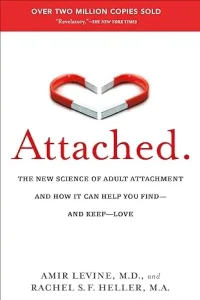
Attached: The New Science of Adult Attachment and How It Can Help You Find–and Keep–Love
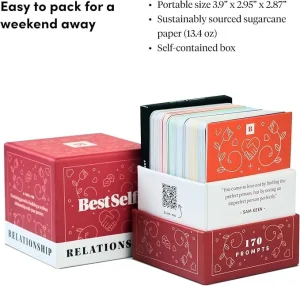
BestSelf Relationship Deck – 150 Discussion Prompts to Create Real Conversations – Perfect Couples Games, Card Games for Adults, and Amazing Gifts for Wife

Electric Spin Scrubber, Cordless Cleaning Brush Scrubber for Home, 8 Replaceable Brush Heads-90Mins Work Time, 3 Adjustable Size, 2 Speeds for Bathroom Shower Bathtub Glass Car
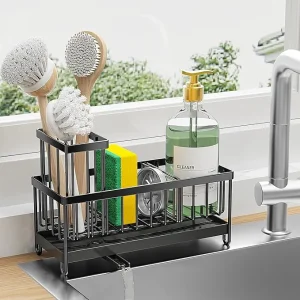
Cisily Black Sponge Holder for Kitchen Sink, Sink Caddy Organizer with High Brush Holder, Kitchen Countertop Organizers and Storage Essentials, Rustproof 304 Stainless Steel, Soap Dispenser Organize
Recommended Articles:
- Letting Go of Stress: Calm Practices You Can Do at Home
- Everyday Rituals That Support Emotional Wellbeing

- How to Find Inner Balance in a Busy and Noisy World
- Self-Care at Home That Actually Helps

- Emotional Healing: Simple Practices to Restore Inner Calm
💬 Why Tip? It’s Not Just Money — It’s Motivation ❤️
| 😊 What You Got | 🎁 What I Get | 🔗 What You Can Do |
|---|---|---|
| ✔️ A smile or laugh | ✔️ A reason to keep creating | 👉 Buy me a coffee ☕️ |
| ✔️ Useful tips, insights, or ideas | ✔️ Proof that this content helps | 👉 Click the support button 💸 |
| ✔️ Fun, relatable content | ✔️ Motivation to go deeper & better | 👉 Leave a tip + kind feedback 🙌 |
| ✔️ Ad-free reading experience | ✔️ A little financial breathing room | 👉 $1 isn’t too little, $10 isn’t too much 🎉 |
| ✔️ A sense of connection | ✔️ The joy of being seen and supported | 👉 Let me know you’re out there 👀 |
❤️ If you made it this far, maybe that’s your sign to support? Every tip matters!