
Table of Contents
❤️ Love & Relationships
Building Stronger Emotional Connections in Everyday Life
Love is not built in grand gestures.
It is built in daily moments — through safety, communication, understanding, and trust.
Healthy relationships do not happen by accident.
They are nurtured through intention, emotional awareness, and mutual respect.
Whether you are strengthening a partnership, healing from past experiences, or learning what healthy love truly looks like — this space is designed to guide you.
Here, we explore:
- Emotional safety
- Communication skills
- Relationship foundations
- Red flags and warning signs
- Building intimacy
- Family connection
- Personal growth within relationships
Because love should not feel confusing.
It should feel steady, respectful, and emotionally safe. ❤️
🌱 The Foundation of Healthy Relationships
Every strong relationship stands on three essential pillars:
- Emotional safety
- Honest communication
- Mutual trust
Without these, connection weakens over time.
If you want to understand the psychological core of healthy love, begin here:
👉 The Foundation of Healthy Relationships: Emotional Safety, Communication, and Trust
This guide explains what emotional safety truly means and why it is the backbone of long-term stability.
💚 Signs of a Healthy Relationship
How do you know if your relationship is truly strong?
Healthy love often feels:
- Calm
- Supportive
- Respectful
- Secure
- Open
Explore the key indicators here:
👉 Signs of a Healthy Relationship: How to Know If Your Connection Is Truly Strong
Understanding these signs builds clarity and confidence.
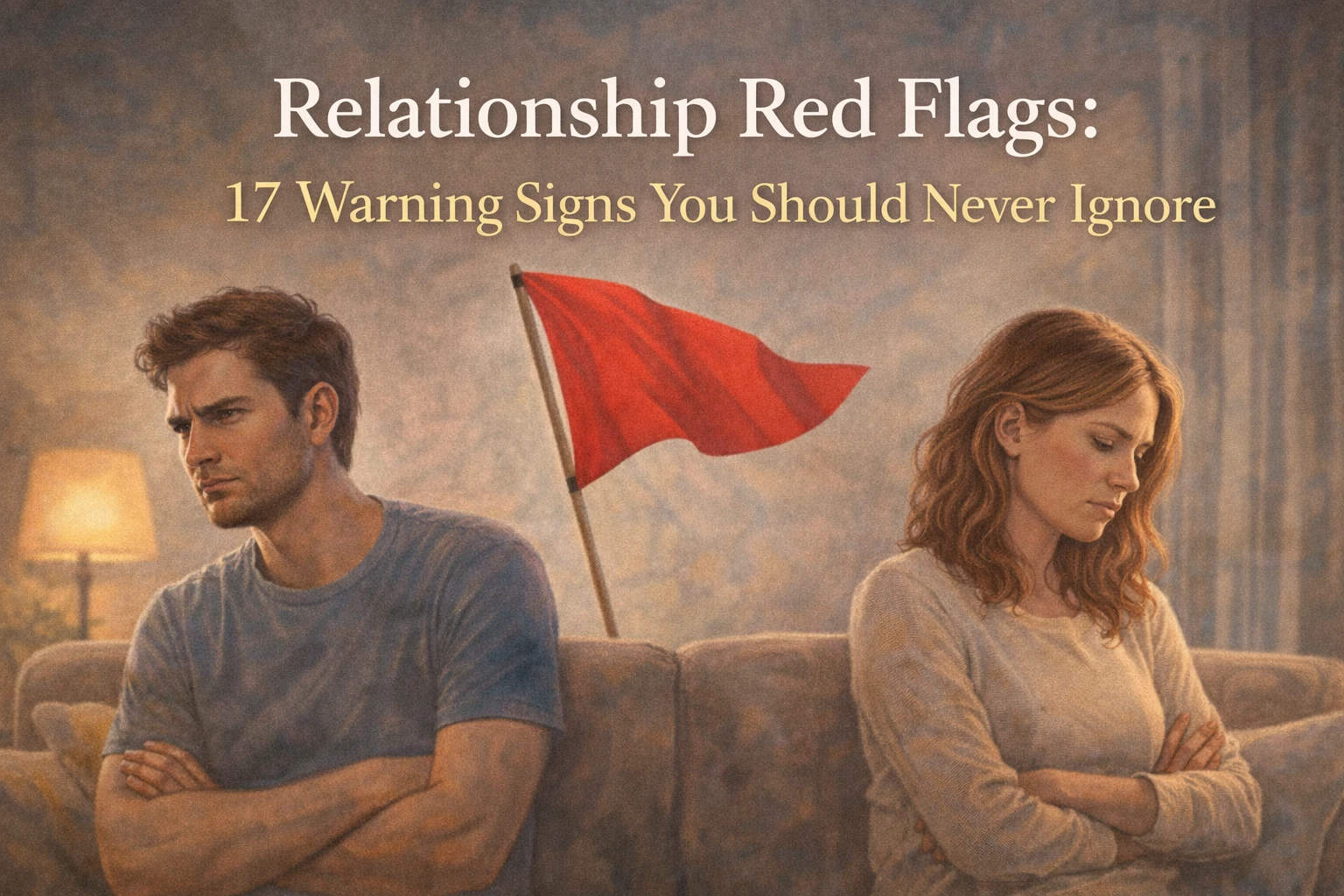
🚩 Recognizing Relationship Red Flags
Sometimes clarity comes from contrast.
Recognizing unhealthy patterns can protect your emotional wellbeing.
Warning signs may include:
- Emotional unpredictability
- Gaslighting
- Controlling behavior
- Repeated lack of accountability
- Chronic emotional tension
Learn more in:
👉 Relationship Red Flags: Warning Signs You Should Never Ignore
Awareness empowers wise decisions.
💞 Building Emotional Intimacy
Intimacy grows in small, daily interactions.
It develops when partners:
- Listen attentively
- Share vulnerably
- Express appreciation
- Repair misunderstandings
Deepen connection here:
👉 Building Emotional Intimacy Through Small Daily Moments
Strong love is built in everyday conversations.
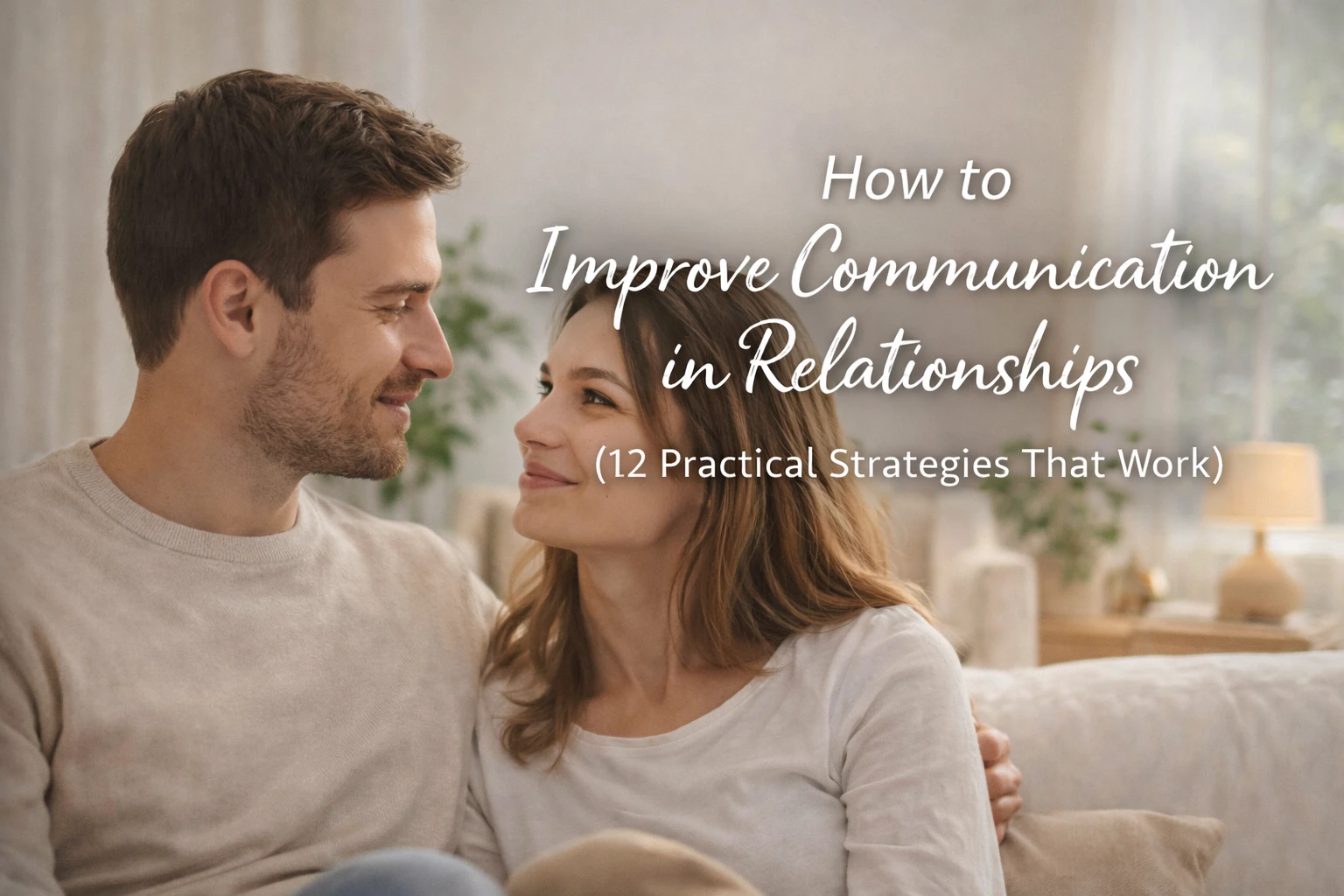
🗣️ Communication in Relationships
Many conflicts are not about incompatibility — they are about communication style.
Healthy communication includes:
- Active listening
- Emotional validation
- Calm expression of needs
- Accountability
To strengthen this skill, explore:
👉 How to Communicate with Love and Understanding in Everyday Relationships
Communication is the bridge between two emotional worlds.
🏡 Strengthening Family and Long-Term Bonds
Relationships extend beyond romantic partnerships.
Strong family bonds require:
- Consistent presence
- Patience
- Mutual respect
- Emotional maturity
Explore:
👉 Simple Ways to Strengthen Family Relationships at Home
Healthy relationships begin with emotional awareness at every level.
🌿 Why Healthy Relationships Matter for Mental Wellbeing
Research consistently shows that supportive relationships are strongly linked to:
- Lower stress levels
- Improved emotional regulation
- Better physical health
- Increased life satisfaction
Chronic relational stress, however, is associated with anxiety, burnout, and emotional exhaustion.
Healthy love is not just romantic — it is protective.
🧠 Emotional Safety: The Hidden Core
Emotional safety means:
- You can express yourself without fear
- Mistakes are met with repair, not punishment
- Vulnerability is respected
- Boundaries are honored
Without emotional safety, trust cannot fully develop.
And without trust, intimacy cannot thrive.
🌤️ Love Is a Skill — Not Just a Feeling
Many people wait for love to “feel right.”
But healthy relationships are built through learned behaviors:
- Emotional regulation
- Conflict repair
- Honest conversation
- Empathy
- Patience
Love grows stronger when both partners grow emotionally.
❓ Frequently Asked Questions (FAQ)
💬 What is the most important element of a healthy relationship?
Emotional safety. Without it, communication and trust weaken over time.
💬 How do I know if my relationship is healthy?
You feel respected, heard, and emotionally secure most of the time.
💬 Can unhealthy relationships improve?
Yes — if both partners are willing to reflect, communicate, and change patterns.
Without mutual effort, change is unlikely.
💬 What are early signs of relationship problems?
Frequent confusion, walking on eggshells, repeated dismissal of feelings, and emotional instability.
💬 Why do healthy relationships feel calmer?
Because your nervous system feels safe. Stability supports long-term connection.
🌸 Final Thoughts
Healthy relationships are not perfect.
They include:
- Imperfections
- Growth
- Learning
- Repair
But they are grounded in respect and emotional steadiness.
You deserve relationships where:
- You do not have to shrink
- You do not have to fear honesty
- You do not have to constantly prove your worth
Love should feel like support — not survival.
And when relationships are built on safety, communication, and trust, they become one of life’s greatest strengths. ❤️
📚 Authoritative Sources & References
American Psychological Association (APA)
Research on emotional wellbeing and relationships
https://www.apa.org/topics/relationships
The Gottman Institute
Evidence-based relationship research
https://www.gottman.com
National Institute of Mental Health (NIMH)
Mental health and interpersonal relationships
https://www.nimh.nih.gov
Greater Good Science Center – UC Berkeley
Research on empathy and emotional intelligence
https://greatergood.berkeley.edu
Journal of Marriage and Family
Peer-reviewed relationship studies
https://onlinelibrary.wiley.com
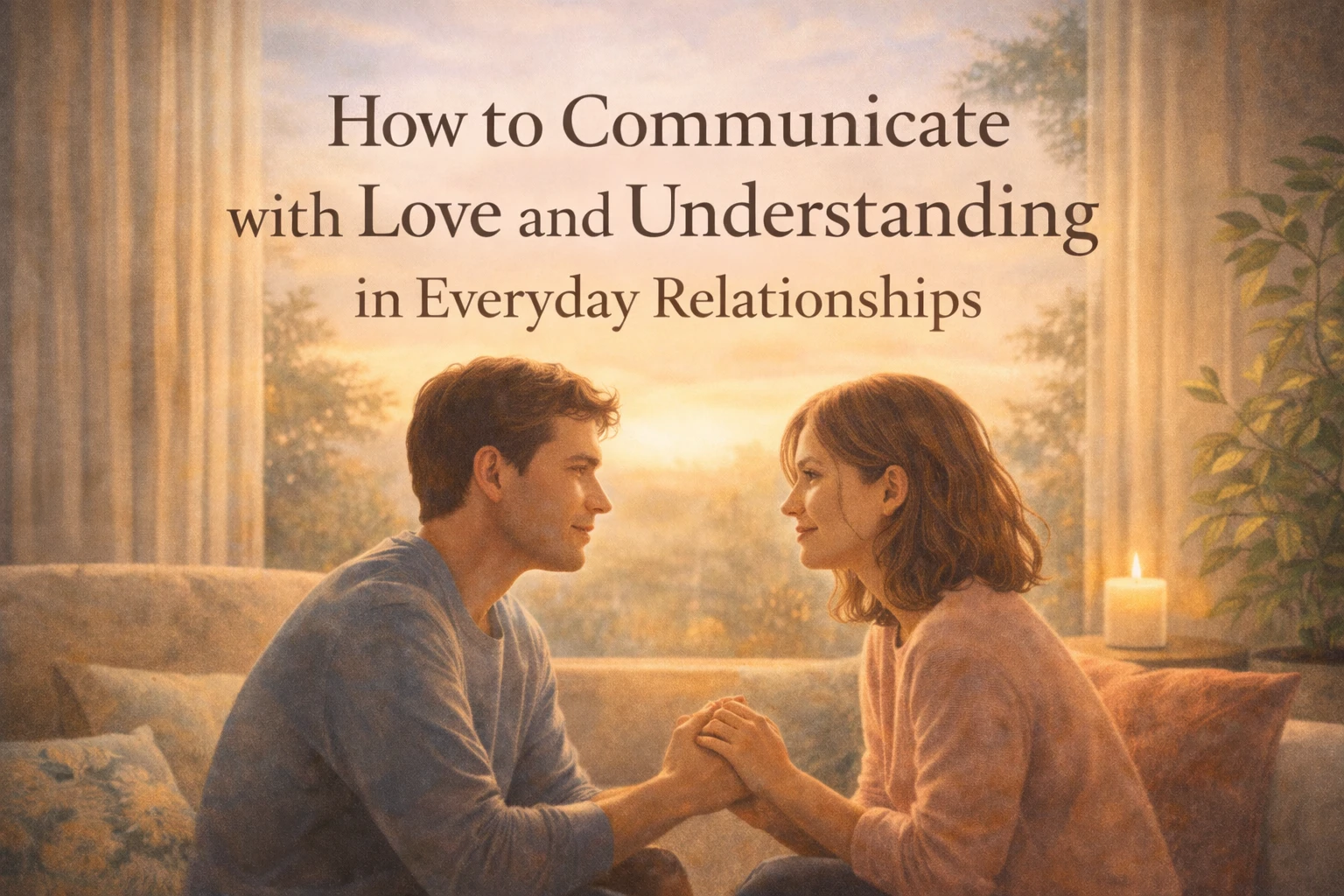
How to Communicate with Love and Understanding in Everyday Relationships

Simple Ways to Strengthen Family Relationships at Home (Backed by Psychology)
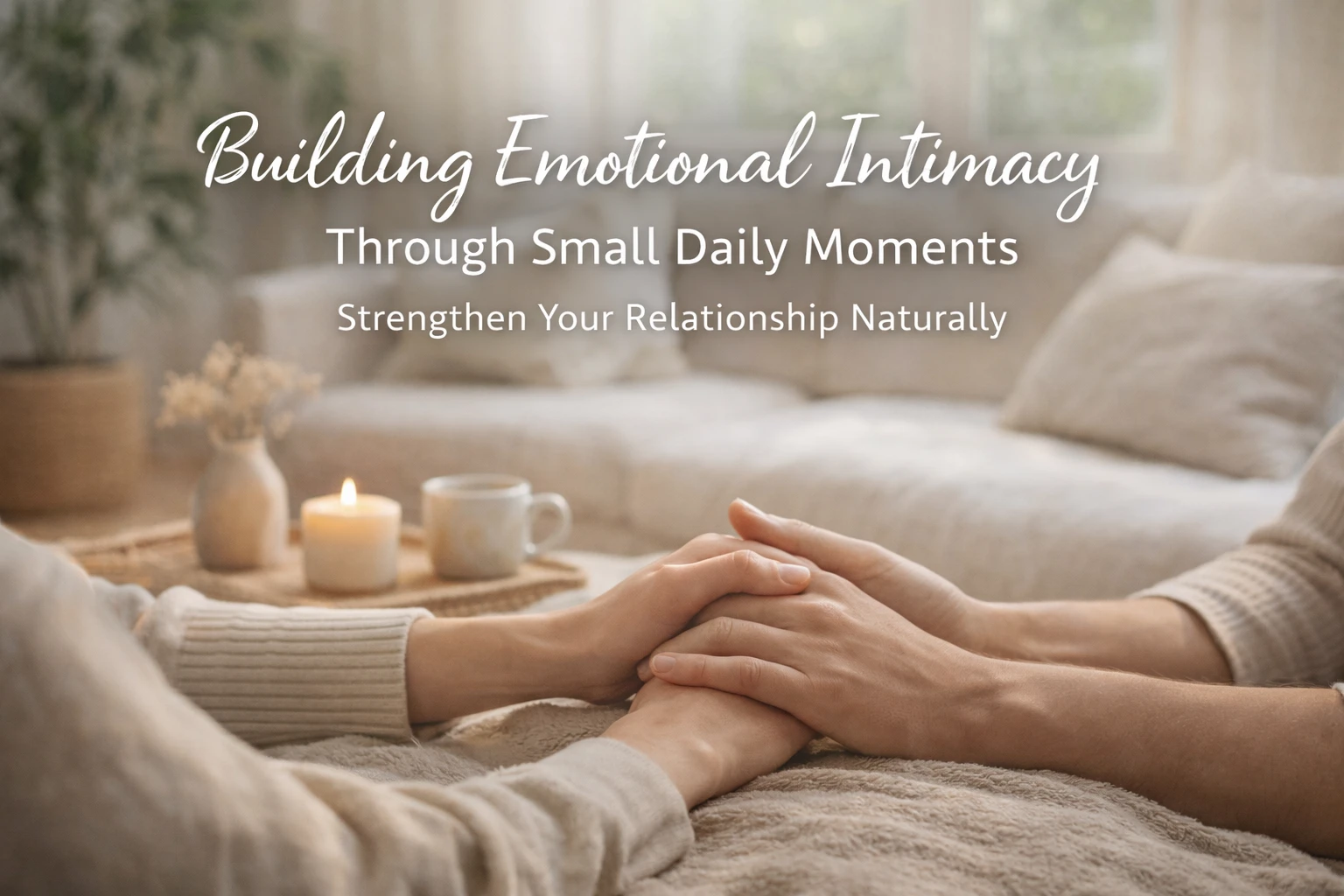
Building Emotional Intimacy Through Small Daily Moments | Strengthen Your Relationship Naturally

How to Create a Loving and Supportive Family Environment (Practical Guide)

Healthy Communication Habits That Bring Families Closer
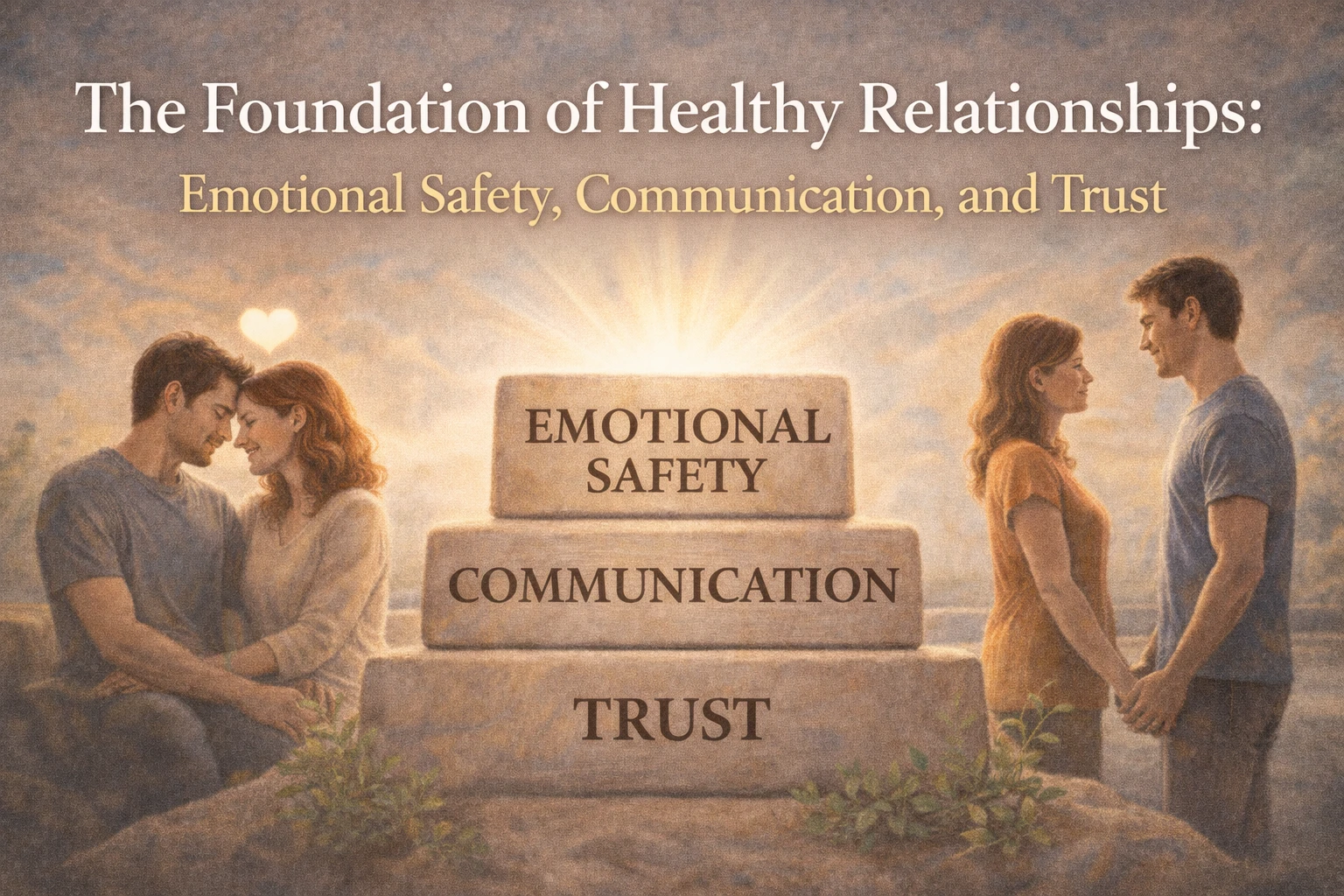
The Foundation of Healthy Relationships: Emotional Safety, Communication, and Trust
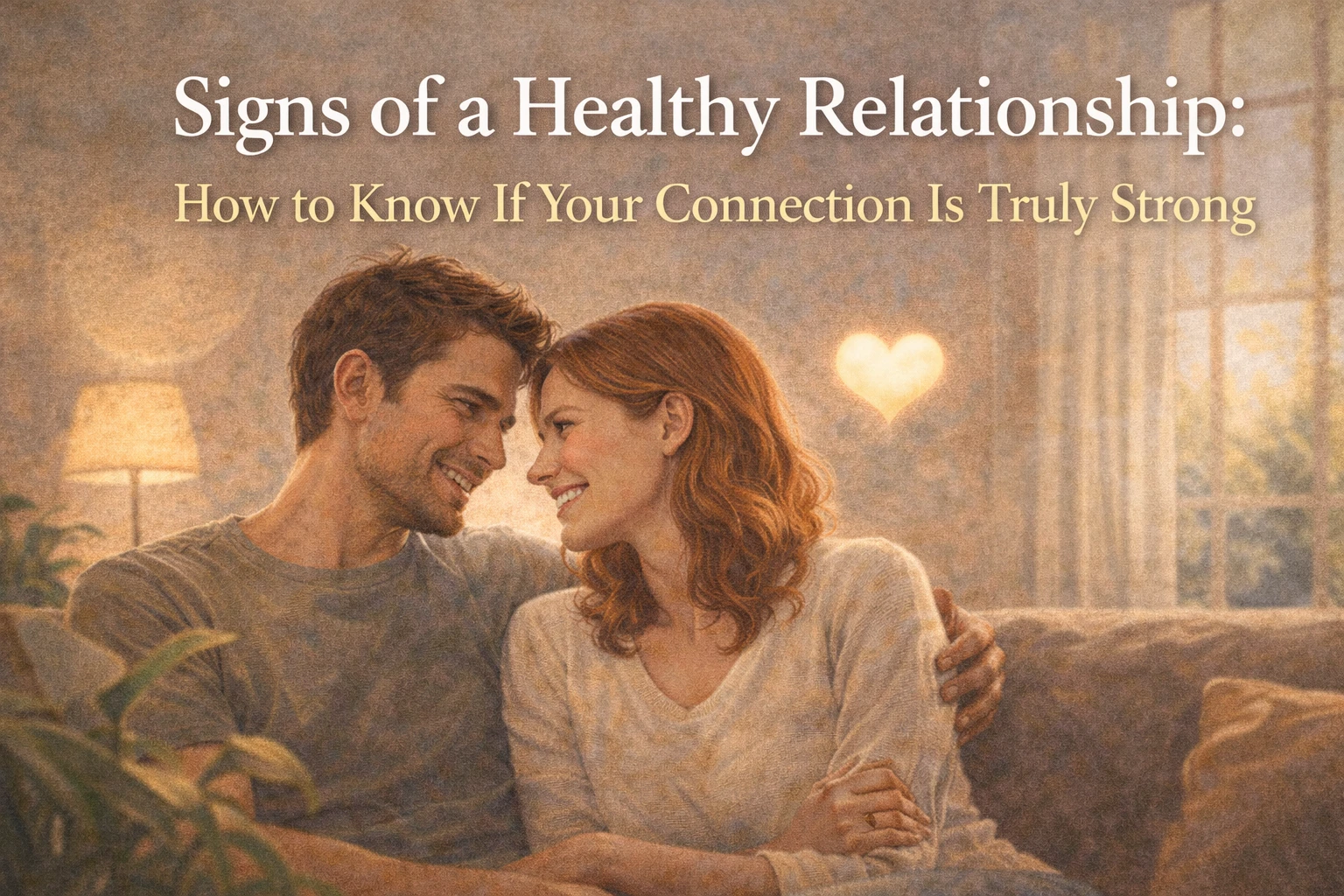
15 Signs of a Healthy Relationship: How to Know Your Love Is Truly Strong
Relationship Red Flags: 17 Warning Signs You Should Never Ignore
How to Improve Communication in Relationships (12 Practical Strategies That Work)