

This is my little online home where we celebrate life's real magic - the warm connections, simple self-care rituals, and those quiet moments that stay with you.
What I do here:
• Craft stories and tips to brighten your everyday
• Build a space where everyone feels welcome
• Make each visit worth your while - whether you need quick advice or food for thought
My superpowers? Turning ordinary moments into something special through words that actually mean something.
Off-screen, I'm probably:
☕ Curled up with a book that changes my perspective
🎨 Trying some new creative hobby
🌿 Noticing the small wonders we usually rush past
So glad you're here - let's make something meaningful together!
Table of Contents
Quick Answer
If you constantly ask yourself, “why do I feel stressed even when nothing is wrong,” the answer often lies in hidden anxiety, chronic stress patterns, emotional overload, or a nervous system that has stayed in survival mode for too long. Even when life looks calm on the outside, your mind and body may still be carrying unresolved tension, mental pressure, emotional exhaustion, or subconscious fear signals that keep stress active in the background.
Introduction
You wake up tired even after sleeping. Your chest feels tight for no clear reason. Small tasks suddenly feel overwhelming. Maybe your life is technically “fine” — no major crisis, no obvious danger, no dramatic problem — yet your body still acts like something bad is about to happen.
This experience is more common than most people realize. Many people silently carry hidden anxiety and chronic stress without understanding why. They blame themselves for being “too sensitive” or “too emotional,” when in reality, their nervous system has simply been overloaded for too long.
The modern world trains people to keep moving, keep producing, keep smiling, and keep functioning. But emotional pressure does not disappear just because we ignore it. It settles into the body, the mind, and daily habits. Over time, stress becomes normal — so normal that calm can actually feel unfamiliar.
If you have been wondering why you feel stressed even when nothing is wrong, this article will help you understand what is really happening beneath the surface, why your nervous system may still feel unsafe, and how you can slowly rebuild a calmer, happier inner home.

What Is Constant Stress?
Constant stress is a prolonged mental and physical state where the body remains emotionally alert even in the absence of immediate danger. Unlike short-term stress, which naturally rises and falls, chronic stress keeps the nervous system activated for weeks, months, or even years.
When people experience hidden anxiety, their minds often scan for potential problems automatically. The brain becomes trained to expect pressure, disappointment, conflict, or uncertainty. Eventually, stress stops feeling like a temporary reaction and starts feeling like a personality trait.
This is why someone may repeatedly think:
- “Why do I feel stressed even when nothing is wrong?”
- “Why can’t I relax?”
- “Why does my body feel tense all the time?”
- “Why do I feel emotionally exhausted for no reason?”
The truth is that stress does not always come from current problems. Sometimes it comes from accumulated emotional strain, unresolved fear, perfectionism, burnout, overstimulation, or years of suppressing emotions.
Your nervous system remembers what your conscious mind tries to ignore.

Why Constant Stress Matters
Stress affects far more than mood. Long-term stress changes how the brain functions, how the body heals, and how relationships feel. When the nervous system stays activated for too long, the body begins prioritizing survival over restoration.
This can lead to:
- Sleep problems
- Digestive issues
- Irritability
- Brain fog
- Emotional numbness
- Fatigue
- Relationship tension
- Increased anxiety
- Difficulty feeling joy or peace
Psychologically, chronic stress narrows attention toward danger and negativity. Even safe environments can feel emotionally unsafe. Small inconveniences feel larger than they are because the nervous system is already overloaded.
People often assume stress must always feel dramatic, but hidden anxiety can appear quietly. Sometimes it looks like overthinking at night. Sometimes it looks like procrastination. Sometimes it appears as perfectionism, people-pleasing, emotional withdrawal, or constant guilt.
Stress also affects the home environment. When one person lives in survival mode, tension spreads silently through conversations, routines, parenting, intimacy, and emotional connection. A happy home is not created through perfection. It is created through emotional safety and nervous system regulation.

Common Problems People Face
- Feeling emotionally tired even after resting
- Overthinking small situations constantly
- Feeling guilty when relaxing
- Difficulty being fully present
- Experiencing unexplained physical tension
- Feeling emotionally disconnected from loved ones
- Constantly expecting bad news or conflict
- Struggling to calm down at night
- Feeling overwhelmed by simple responsibilities
- Thinking “why do I feel stressed even when nothing is wrong” every day
- Feeling anxious during peaceful moments
- Living in a cycle of burnout and recovery
Core Framework
Pillar 1: Understand the Nervous System
One of the biggest breakthroughs in healing chronic stress is realizing that stress is not just “in your head.” It is deeply connected to the nervous system.
Your nervous system constantly asks one core question: “Am I safe?”
If your body has experienced prolonged emotional pressure, criticism, instability, overstimulation, trauma, burnout, or constant uncertainty, it may remain in a defensive state even when life improves.
For example, someone who spent years under pressure at work may still feel anxious during weekends. Someone raised in a tense home may feel uncomfortable when life becomes peaceful because calm feels unfamiliar.
This is why relaxation can sometimes feel strangely uncomfortable. The body has adapted to tension as its normal state.
Understanding this removes shame. You are not weak. Your nervous system simply learned survival patterns that no longer serve you.
Pillar 2: Identify Hidden Anxiety Patterns
Hidden anxiety is often subtle. Many high-functioning people carry anxiety without realizing it because they continue meeting responsibilities.
Common hidden anxiety patterns include:
- Constant mental rehearsing
- Checking messages obsessively
- Fear of disappointing others
- Difficulty resting without guilt
- Overplanning every detail
- Catastrophizing small problems
- Feeling responsible for everyone’s emotions
- Avoiding silence or stillness
These habits keep the brain stuck in vigilance mode. The mind becomes addicted to scanning for problems because it believes preparation equals safety.
But emotional safety is not created through constant control. It is created through trust, regulation, and self-compassion.
Pillar 3: Rebuild Emotional Safety Daily
Healing chronic stress is not about eliminating all stress forever. It is about teaching the body that calm is safe again.
This happens through consistent daily experiences of emotional regulation:
- Slowing down intentionally
- Creating calming routines
- Reducing overstimulation
- Setting healthier boundaries
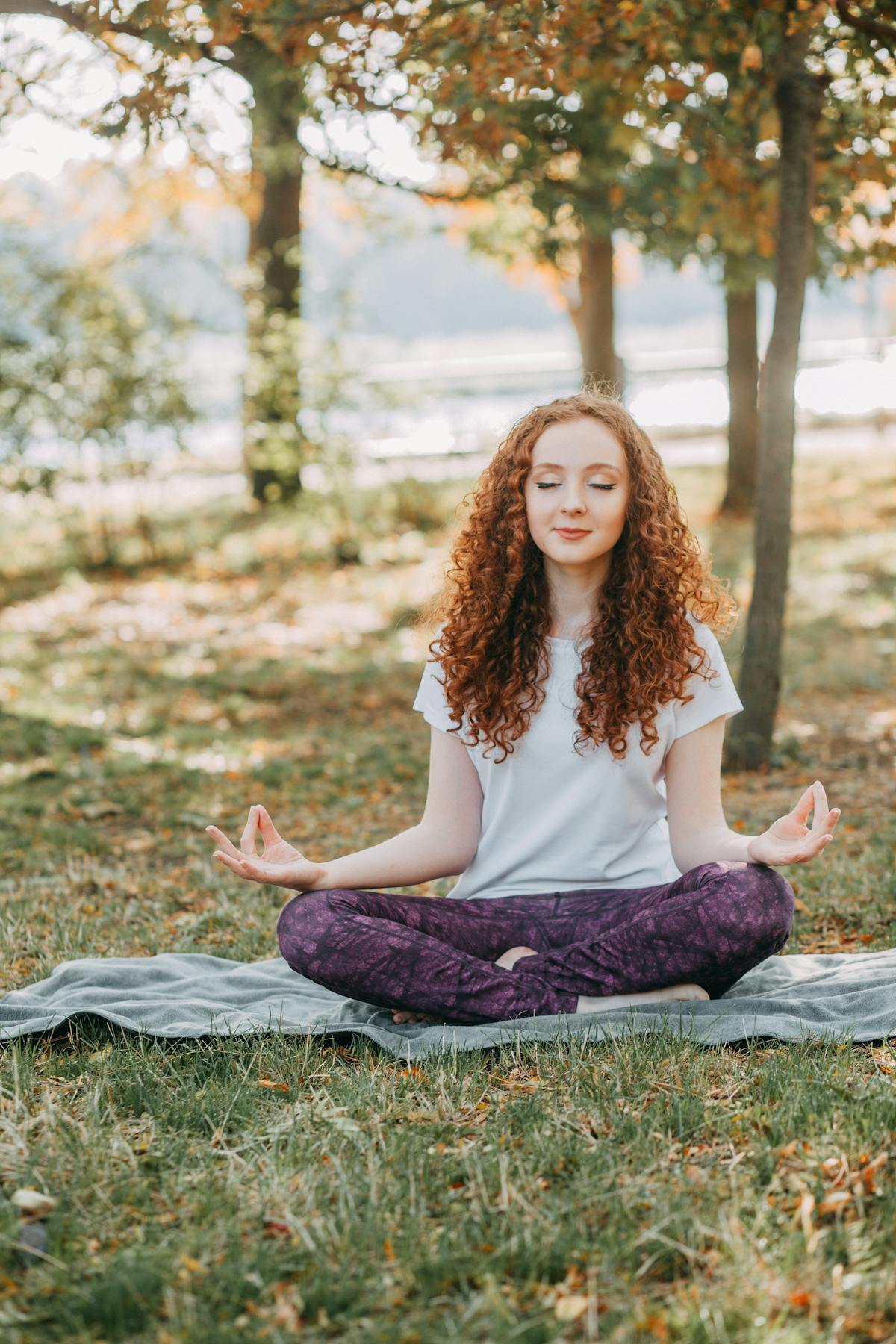
- Practicing mindfulness
- Allowing emotions instead of suppressing them
- Improving sleep and recovery
- Spending time in emotionally safe relationships
Small moments matter. A peaceful morning routine. A quiet walk. Deep breathing before bed. Saying no without guilt. These experiences slowly retrain the nervous system away from survival mode.
Practical Action Steps
- Track your stress triggers: Notice what situations increase tension, even subtly.
- Create phone-free moments: Constant stimulation keeps the brain hyper-alert.
- Practice nervous system resets: Deep breathing, stretching, and grounding exercises calm the body.
- Improve sleep consistency: Chronic stress worsens when sleep becomes irregular.
- Reduce multitasking: The brain interprets constant task-switching as pressure.
- Spend time outdoors daily: Nature naturally lowers stress hormones.
- Journal your emotional patterns: Writing helps reveal hidden anxiety loops.
- Stop treating rest as a reward: Rest is a biological need, not something you must earn.
- Limit emotional overload: Too much news, conflict, or social comparison increases chronic stress.
- Talk to supportive people: Emotional safety grows through healthy connection.
Mistakes to Avoid
- Ignoring stress because “others have it worse”
- Believing productivity equals self-worth
- Using distraction instead of emotional processing
- Waiting for burnout before resting
- Overconsuming self-help content without practicing change
- Expecting instant healing from years of chronic stress
- Confusing numbness with calmness
- Believing you must solve every problem immediately
- Suppressing emotions to appear strong
- Staying in emotionally draining environments too long
Deep Insight
Many people who experience hidden anxiety learned early in life that love, safety, approval, or stability were conditional. As a result, the nervous system adapted by staying alert, careful, responsible, or hyper-aware.
This survival intelligence may have once protected you. But over time, it becomes exhausting.
One of the deepest healing shifts happens when people stop asking, “What’s wrong with me?” and start asking, “What happened that taught my body to stay tense?”
Stress is often less about current danger and more about learned anticipation.
Mindfulness research shows that the nervous system responds powerfully to present-moment awareness, self-compassion, breath regulation, and emotional acceptance. Healing begins when the body experiences repeated evidence that it no longer has to stay in constant defense mode.
You do not need a perfect life to feel peace. You need enough safety, self-awareness, rest, and emotional honesty for your nervous system to slowly soften.
Simple Daily Habits
- Wake up without immediately checking your phone
- Spend five quiet minutes breathing deeply
- Drink water slowly and mindfully in the morning
- Take short walks during stressful moments
- Practice gratitude before sleep
- Reduce unnecessary noise and overstimulation
- Stretch your body gently each evening
- Eat meals without multitasking
- Say “no” when your body feels overwhelmed
- Spend time around emotionally safe people
- Protect at least one calm moment every day
- Remind yourself that rest is productive for healing
FAQ
Why do I feel stressed even when nothing is wrong?
You may be experiencing hidden anxiety or chronic stress. Your nervous system can remain activated long after stressful experiences or prolonged emotional pressure.
Can chronic stress happen without obvious problems?
Yes. Chronic stress often develops gradually from emotional overload, burnout, perfectionism, unresolved fear, overstimulation, or long-term pressure.
What are signs of hidden anxiety?
Signs include overthinking, tension, racing thoughts, guilt while resting, irritability, sleep problems, emotional exhaustion, and constantly expecting something bad to happen.
How long does it take to recover from chronic stress?
Recovery depends on lifestyle, emotional support, nervous system regulation, and overall health. Small consistent changes usually help more than extreme short-term fixes.
Can mindfulness help reduce stress?
Yes. Research shows mindfulness practices can lower stress, improve emotional regulation, and help calm the nervous system over time.
Should I seek professional help for constant stress?
If stress significantly affects sleep, relationships, work, or emotional wellbeing, speaking with a licensed therapist or healthcare professional can be extremely beneficial.
Authoritative Sources & References
- American Psychological Association (APA) – Chronic stress affects both mental and physical health over time. – https://www.apa.org/topics/stress
- Harvard Health Publishing – Long-term stress changes the body’s stress response system and impacts overall wellbeing. – https://www.health.harvard.edu/staying-healthy/understanding-the-stress-response
- Mayo Clinic – Anxiety symptoms can appear even without immediate danger or obvious problems. – https://www.mayoclinic.org/diseases-conditions/anxiety/symptoms-causes/syc-20350961
- National Institute of Mental Health (NIMH) – Anxiety disorders often involve excessive fear, tension, and physical symptoms. – https://www.nimh.nih.gov/health/topics/anxiety-disorders
- Cleveland Clinic – Chronic stress can contribute to fatigue, sleep problems, and emotional burnout. – https://my.clevelandclinic.org/health/articles/11874-stress
- Mindful.org – Mindfulness practices support nervous system regulation and emotional resilience. – https://www.mindful.org/meditation/mindfulness-getting-started
- Verywell Mind – Hidden anxiety may appear through subtle behavioral and emotional patterns. – https://www.verywellmind.com
Final Summary
If you keep wondering, “why do I feel stressed even when nothing is wrong,” remember this: your feelings are real even when the cause is not obvious. Hidden anxiety and chronic stress often build quietly over time until tension becomes the body’s default setting.
Healing begins with awareness, self-compassion, and small daily changes that help your nervous system feel safe again. You do not need to fix your entire life overnight. You only need to start creating moments of calm, honesty, rest, and emotional safety consistently.
A peaceful mind and a happy home are not built through perfection. They are built through gentle healing, one day at a time.
Recommended Articles:
- AI Travel Matching Review: Can This AI Trip Planner Really Find Your Perfect Travel Style?
- WaysToMakeMoney.lovable.app Review: Can This AI Side Hustle Tool Really Help You Make Money Online?
- Why Do I Feel Stressed Even When Nothing Is Wrong? Understanding Hidden Anxiety and Chronic Stress
- Why Do I Feel Like I Have No Purpose? Find Meaning & Direction Again
- Why Do I Overthink Everything at Night? A Deep Guide to Quieting Racing Thoughts and Finding Peace
- Why Do I Feel Empty Even When Life Is Good? A Deep Guide to Emotional Emptiness, Purpose, and Healing
- Finding Joy in Simple Moments: A Mindful Life at Home

- Living with Intention: A Gentle Guide to Mindful Living for Inner Peace
- Mindfulness for Everyday Life: 15 Simple Ways to Stay Present at Home
- Slow Living at Home: How to Create a More Meaningful & Calm Daily Life