

This is my little online home where we celebrate life's real magic - the warm connections, simple self-care rituals, and those quiet moments that stay with you.
What I do here:
• Craft stories and tips to brighten your everyday
• Build a space where everyone feels welcome
• Make each visit worth your while - whether you need quick advice or food for thought
My superpowers? Turning ordinary moments into something special through words that actually mean something.
Off-screen, I'm probably:
☕ Curled up with a book that changes my perspective
🎨 Trying some new creative hobby
🌿 Noticing the small wonders we usually rush past
So glad you're here - let's make something meaningful together!
Table of Contents
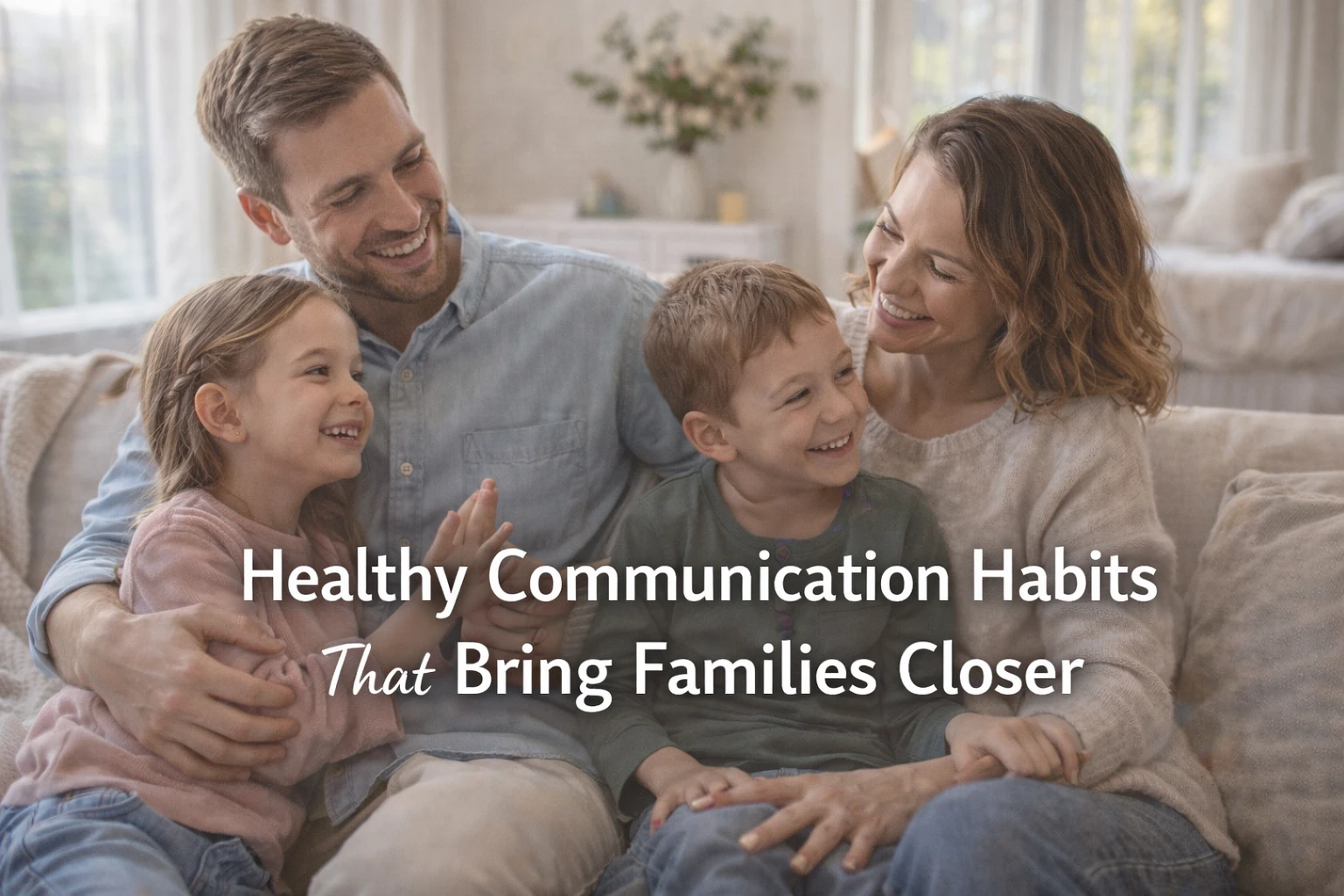
Healthy Communication Habits That Bring Families Closer 💬❤️
A Practical Guide to Strengthening Trust, Emotional Safety, and Connection at Home
Healthy families are not defined by the absence of conflict.
They are defined by how they communicate through it.
In many households today, communication is often interrupted by:
- Stress and time pressure ⏳
- Digital distractions 📱
- Emotional reactivity ⚡
- Misunderstandings and assumptions 🤷
Over time, these patterns can create distance.
But with the right habits, communication can become the bridge that brings families closer instead of pulling them apart.
This guide explores practical, research-supported communication habits that build trust, emotional safety, and long-term connection.
🌿 Why Healthy Communication Matters in Families
Communication is more than words.
It shapes:
- Emotional safety
- Trust and attachment
- Conflict resolution
- Self-esteem development
- Long-term relationship stability
According to the American Psychological Association (APA), positive family communication is strongly associated with better emotional wellbeing and resilience.
When communication is healthy:
- Family members feel heard
- Conflicts are resolved constructively
- Emotional bonds deepen
When communication breaks down:
- Resentment builds
- Emotional withdrawal increases
- Misunderstandings multiply
If you’re building a supportive home, you may also find helpful:
👉 How to Create a Loving and Supportive Family Environment
Strong communication is the backbone of a supportive environment.
🧠 15 Healthy Communication Habits That Bring Families Closer
👂 1. Practice Active Listening
Active listening means:
- Giving full attention
- Avoiding interruptions
- Reflecting back what you heard
Instead of preparing your response, focus on understanding.
Example:
“I hear that you felt disappointed today.”
Feeling heard reduces defensiveness.
💬 2. Use “I” Statements Instead of Blame
Avoid:
“You always…”
“You never…”
Use:
“I feel overwhelmed when…”
“I need support with…”
This reduces conflict escalation.
📵 3. Eliminate Digital Distractions During Conversations
Put phones away during:
- Family meals
- Important discussions
- Emotional moments
Presence communicates respect.
For mindful presence, explore:
👉 Finding Joy in Simple Moments: A Mindful Life at Home
🤍 4. Validate Emotions, Even When You Disagree
Validation does not mean agreement.
It means acknowledging feelings.
Example:
“I understand that this was frustrating for you.”
Emotional validation builds trust.
🕊️ 5. Pause Before Responding in Conflict
Emotional reactivity damages communication.
Try:
- Take a deep breath
- Count to five
- Speak calmly
Emotional regulation strengthens connection.
For deeper emotional awareness:
👉 Emotional Healing: Simple Practices to Restore Inner Calm
🏡 6. Create Regular Check-In Rituals
Weekly or daily check-ins provide safe space for open dialogue.
Ask:
- “How was your week?”
- “Is there anything you need?”
- “What went well today?”
Consistency builds safety.
🌼 7. Express Appreciation Often
Healthy communication is not only about solving problems.
It includes:
- Gratitude
- Encouragement
- Positive feedback
According to research from the Greater Good Science Center, gratitude strengthens relational bonds.
🤝 8. Avoid Public Criticism
Correct privately.
Praise publicly.
This preserves dignity and emotional safety.
🌱 9. Encourage Open Emotional Expression
Allow statements like:
- “I feel anxious.”
- “I’m struggling.”
- “I’m proud of myself.”
Normalize emotional language at home.
🧘 10. Model Calm Behavior
Children and adults imitate what they observe.
If you shout, shouting becomes normal.
If you speak calmly, calm becomes normal.
💡 11. Clarify Before Assuming
Instead of reacting immediately, ask:
“Can you help me understand what you meant?”
Clarification prevents unnecessary conflict.
❤️ 12. Repair Quickly After Conflict
Every family argues.
Healthy families repair.
Repair includes:
- Apologies
- Honest reflection
- Reassurance of love
The Gottman Institute emphasizes that repair attempts are one of the strongest predictors of relationship stability.
🌙 13. Schedule Difficult Conversations Intentionally
Avoid serious talks when:
- Exhausted
- Angry
- Distracted
Choose calm moments for important discussions.
🧩 14. Respect Boundaries
Healthy communication includes respecting:
- Emotional boundaries
- Personal space
- Individual differences
Support does not mean intrusion.
✨ 15. Lead With Consistency, Not Perfection
Communication habits require practice.
Small daily improvements build long-term change.
🌸 Long-Term Benefits of Healthy Family Communication
Over time, these habits lead to:
- Stronger emotional bonds
- Increased trust
- Reduced stress
- Greater empathy
- Improved conflict resolution
The Harvard Study of Adult Development highlights the importance of supportive relationships in long-term wellbeing and happiness.
Communication is the foundation of those relationships.
🚨 Common Communication Mistakes That Create Distance
- Interrupting frequently
- Dismissing emotions
- Using sarcasm during serious conversations
- Avoiding difficult topics
- Letting resentment build silently
Awareness is the first step toward healthier patterns.
🌿 Building a Communication Culture at Home
Healthy communication is not a one-time effort.
It is a culture.
Create:
- Safe discussion spaces
- Family agreements about respect
- Shared rituals
- Emotional openness
If you are strengthening family bonds overall, revisit:
👉 How to Create a Loving and Supportive Family Environment
Healthy communication is what sustains that environment.
❓ Frequently Asked Questions (FAQ)
💬 What are healthy communication habits in families?
Active listening, emotional validation, calm responses, appreciation, and respectful conflict resolution.
🏡 How can I improve communication with my family?
Start by reducing distractions, using “I” statements, and scheduling regular check-ins.
❤️ Why is communication important in families?
It builds trust, emotional safety, and long-term relationship stability.
🌱 Can communication habits really change family dynamics?
Yes. Consistent healthy habits gradually improve emotional safety and connection.
🧘 What if communication feels tense or strained?
Pause, regulate emotions first, and return to the conversation when calm.
📚 Authoritative Sources & References
American Psychological Association (APA)
Family relationships and emotional health
https://www.apa.org/topics/families
Greater Good Science Center – UC Berkeley
Research on gratitude and connection
https://greatergood.berkeley.edu
Harvard Study of Adult Development
Long-term research on relationships and wellbeing
https://adultdevelopmentstudy.org
Gottman Institute
Evidence-based communication research
https://www.gottman.com
Journal of Marriage and Family
Peer-reviewed family research
https://onlinelibrary.wiley.com/journal/17413737
🌿 Final Thoughts
Healthy communication habits are not dramatic gestures.
They are:
- Listening fully
- Speaking gently
- Repairing quickly
- Appreciating often
Families grow closer not because they avoid conflict —
but because they communicate through it with care.
Connection is built one conversation at a time. ❤️
✅ Personalized Amazon Product Recommendations

The 5 Love Languages: The Secret to Love that Lasts
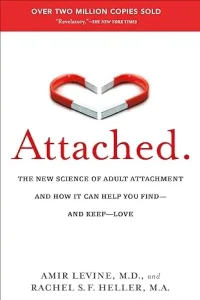
Attached: The New Science of Adult Attachment and How It Can Help You Find–and Keep–Love

BestSelf Relationship Deck – 150 Discussion Prompts to Create Real Conversations – Perfect Couples Games, Card Games for Adults, and Amazing Gifts for Wife

Electric Spin Scrubber, Cordless Cleaning Brush Scrubber for Home, 8 Replaceable Brush Heads-90Mins Work Time, 3 Adjustable Size, 2 Speeds for Bathroom Shower Bathtub Glass Car

Cisily Black Sponge Holder for Kitchen Sink, Sink Caddy Organizer with High Brush Holder, Kitchen Countertop Organizers and Storage Essentials, Rustproof 304 Stainless Steel, Soap Dispenser Organize
Recommended Articles:
- Healthy Communication Habits That Bring Families Closer

- How to Create a Loving and Supportive Family Environment

- How to Improve Communication in Relationships

- Building Emotional Intimacy Through Small Daily Moments

- The Foundation of Healthy Relationships: Emotional Safety, Communication, and Trust
- Signs of a Healthy Relationship: How to Know If Your Connection Is Truly Strong

- Relationship Red Flags: Warning Signs You Should Never Ignore

- Simple Ways to Strengthen Family Relationships at Home

- How to Communicate with Love and Understanding in Everyday Relationships

💬 Why Tip? It’s Not Just Money — It’s Motivation ❤️
| 😊 What You Got | 🎁 What I Get | 🔗 What You Can Do |
|---|---|---|
| ✔️ A smile or laugh | ✔️ A reason to keep creating | 👉 Buy me a coffee ☕️ |
| ✔️ Useful tips, insights, or ideas | ✔️ Proof that this content helps | 👉 Click the support button 💸 |
| ✔️ Fun, relatable content | ✔️ Motivation to go deeper & better | 👉 Leave a tip + kind feedback 🙌 |
| ✔️ Ad-free reading experience | ✔️ A little financial breathing room | 👉 $1 isn’t too little, $10 isn’t too much 🎉 |
| ✔️ A sense of connection | ✔️ The joy of being seen and supported | 👉 Let me know you’re out there 👀 |
❤️ If you made it this far, maybe that’s your sign to support? Every tip matters!