


This is my little online home where we celebrate life's real magic - the warm connections, simple self-care rituals, and those quiet moments that stay with you.
What I do here:
• Craft stories and tips to brighten your everyday
• Build a space where everyone feels welcome
• Make each visit worth your while - whether you need quick advice or food for thought
My superpowers? Turning ordinary moments into something special through words that actually mean something.
Off-screen, I'm probably:
☕ Curled up with a book that changes my perspective
🎨 Trying some new creative hobby
🌿 Noticing the small wonders we usually rush past
So glad you're here - let's make something meaningful together!
Table of Contents
How to Create a Loving and Supportive Family Environment ❤️🏡
A Practical Guide to Building Emotional Safety, Trust, and Lasting Connection at Home
A loving and supportive family environment does not happen by accident.
It is built — through daily habits, respectful communication, emotional safety, and consistent care.
In today’s fast-paced world, families often struggle with:
- Digital distraction 📱
- Stress and burnout 😣
- Miscommunication 💬
- Emotional distance 🤍
Yet the foundation of a healthy family is not perfection.
👉 It is presence, safety, and intention.
This guide explores practical ways to create a home environment where every family member feels valued, heard, and emotionally secure.
🌱 What Is a Loving and Supportive Family Environment?
A supportive family environment is one where:
- Individuals feel emotionally safe
- Communication is respectful
- Conflicts are resolved constructively
- Appreciation is expressed regularly
- Boundaries are honored
- Support is consistent
It is not a home without disagreements.
It is a home where disagreements do not threaten connection.
Research from developmental psychology consistently shows that emotional safety in the family predicts:
- Higher self-esteem
- Better stress regulation
- Stronger long-term relationships
- Greater overall wellbeing
🧠 Why Emotional Safety Matters Most
Emotional safety means:
- You can express feelings without fear of ridicule
- Mistakes are met with guidance, not shame
- Vulnerability is respected
When emotional safety exists, family members:
- Open up more easily
- Recover from conflict faster
- Develop stronger trust
If you want deeper insight into emotional safety, explore:
👉 Building Emotional Intimacy Through Small Daily Moments
Emotional intimacy within families grows in ordinary interactions.
🌸 12 Practical Ways to Create a Loving and Supportive Family Environment
💬 1. Prioritize Respectful Communication
Tone matters.
Avoid:
- Yelling
- Mocking
- Dismissive responses
Instead:
- Listen fully
- Validate emotions
- Use calm language
If communication feels strained, start here:
👉 How to Improve Communication in Relationships
Strong communication builds strong families.
🤍 2. Practice Active Listening
When someone speaks:
- Put down devices
- Make eye contact
- Reflect back what you heard
Feeling heard builds trust.
🏡 3. Establish Safe Spaces for Honest Conversation
Create regular check-in times:
- Weekly family talks
- Dinner table sharing
- Evening reflections
Consistency strengthens emotional connection.
🌿 4. Model Emotional Regulation
Children and adults learn from observation.
Before reacting:
- Pause
- Breathe slowly
- Respond intentionally
Emotional awareness protects family harmony.
You may also explore:
👉 Emotional Healing: Simple Practices to Restore Inner Calm
Calmer individuals create calmer homes.
🌼 5. Express Appreciation Frequently
Gratitude builds warmth.
Say:
- “I appreciate you.”
- “Thank you for helping.”
- “I’m proud of you.”
Positive reinforcement strengthens belonging.
🕊️ 6. Encourage Individual Growth
A supportive family supports individuality.
Respect:
- Personal interests
- Boundaries
- Emotional differences
Support does not mean control.
📵 7. Reduce Digital Distractions
Device-free moments increase connection.
Try:
- Phone-free dinners
- Family walks
- Shared hobbies
Presence deepens bonds.
🧘 8. Create Meaningful Family Rituals
Rituals create predictability and comfort.
Examples:
- Friday movie night
- Sunday brunch
- Evening gratitude circle
Rituals build emotional stability.
This aligns with:
👉 Finding Joy in Simple Moments: A Mindful Life at Home
Simple shared moments build lasting connection.
💞 9. Handle Conflict Constructively
Conflict is inevitable.
Healthy conflict includes:
- Calm discussion
- Solution-focused thinking
- Apologies when necessary
Avoid bringing up past unrelated issues.
Repair quickly.
🌙 10. Promote Emotional Expression
Encourage statements like:
- “I feel…”
- “I need…”
- “I’m struggling with…”
Emotional language reduces misunderstandings.
🌱 11. Support Mental and Emotional Wellbeing
Normalize:
- Taking breaks
- Asking for help
- Talking about stress
According to the National Institute of Mental Health, supportive family systems reduce anxiety and emotional distress.
🤝 12. Lead with Consistency, Not Perfection
A loving environment is built through consistency.
Small daily actions matter more than occasional grand gestures.
🌸 The Long-Term Impact of a Supportive Family Environment
Over time, families that prioritize emotional safety and communication experience:
- Stronger resilience
- Lower stress levels
- Greater trust
- More open dialogue
- Deeper connection
The Harvard Study of Adult Development emphasizes that supportive relationships are the strongest predictor of long-term happiness and health.
Families are the first relationship system most people experience.
Building it intentionally matters.
🚨 Common Mistakes That Undermine Family Support
- Chronic criticism
- Emotional withdrawal
- Favoritism
- Dismissing feelings
- Avoiding difficult conversations
Awareness is the first step toward change.
❓ Frequently Asked Questions (FAQ)
🏡 What makes a family environment supportive?
Emotional safety, respectful communication, consistency, and appreciation.
💬 How can I improve communication in my family?
Practice active listening, reduce distractions, and use “I” statements instead of blame.
🌿 Can a family environment improve over time?
Yes. With intentional effort and better communication habits, families can strengthen connection significantly.
🧘 How do I create emotional safety at home?
Avoid harsh criticism, encourage vulnerability, and model calm emotional responses.
❤️ Is a supportive family environment possible during stressful times?
Yes. In fact, stress makes emotional support even more important. Small daily gestures of care matter most during difficult seasons.
🌱 Final Thoughts
A loving and supportive family environment is not built overnight.
It grows through:
- Respect
- Patience
- Emotional awareness
- Consistent care
You do not need to eliminate conflict.
You need to protect connection.
Families thrive not because they avoid challenges — but because they face them together.
And together is built one small moment at a time. 🤍
📚 Authoritative Sources & References
American Psychological Association (APA)
Family relationships and emotional wellbeing
https://www.apa.org/topics/families
National Institute of Mental Health (NIMH)
Stress and emotional health
https://www.nimh.nih.gov
Harvard Study of Adult Development
Long-term research on relationships and wellbeing
https://adultdevelopmentstudy.org
Gottman Institute
Evidence-based research on communication and relationship stability
https://www.gottman.com
Journal of Marriage and Family
Peer-reviewed research on family systems and wellbeing
https://onlinelibrary.wiley.com/journal/17413737
✅ Personalized Amazon Product Recommendations

The 5 Love Languages: The Secret to Love that Lasts

Attached: The New Science of Adult Attachment and How It Can Help You Find–and Keep–Love

BestSelf Relationship Deck – 150 Discussion Prompts to Create Real Conversations – Perfect Couples Games, Card Games for Adults, and Amazing Gifts for Wife

Electric Spin Scrubber, Cordless Cleaning Brush Scrubber for Home, 8 Replaceable Brush Heads-90Mins Work Time, 3 Adjustable Size, 2 Speeds for Bathroom Shower Bathtub Glass Car
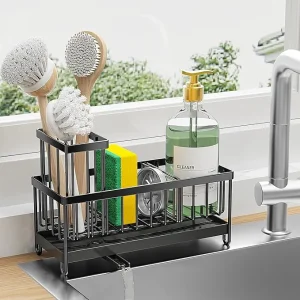
Cisily Black Sponge Holder for Kitchen Sink, Sink Caddy Organizer with High Brush Holder, Kitchen Countertop Organizers and Storage Essentials, Rustproof 304 Stainless Steel, Soap Dispenser Organize
Recommended Articles:
- Healthy Communication Habits That Bring Families Closer

- How to Create a Loving and Supportive Family Environment

- How to Improve Communication in Relationships

- Building Emotional Intimacy Through Small Daily Moments

- The Foundation of Healthy Relationships: Emotional Safety, Communication, and Trust

- Signs of a Healthy Relationship: How to Know If Your Connection Is Truly Strong

- Relationship Red Flags: Warning Signs You Should Never Ignore

- Simple Ways to Strengthen Family Relationships at Home

- How to Communicate with Love and Understanding in Everyday Relationships

💬 Why Tip? It’s Not Just Money — It’s Motivation ❤️
| 😊 What You Got | 🎁 What I Get | 🔗 What You Can Do |
|---|---|---|
| ✔️ A smile or laugh | ✔️ A reason to keep creating | 👉 Buy me a coffee ☕️ |
| ✔️ Useful tips, insights, or ideas | ✔️ Proof that this content helps | 👉 Click the support button 💸 |
| ✔️ Fun, relatable content | ✔️ Motivation to go deeper & better | 👉 Leave a tip + kind feedback 🙌 |
| ✔️ Ad-free reading experience | ✔️ A little financial breathing room | 👉 $1 isn’t too little, $10 isn’t too much 🎉 |
| ✔️ A sense of connection | ✔️ The joy of being seen and supported | 👉 Let me know you’re out there 👀 |
❤️ If you made it this far, maybe that’s your sign to support? Every tip matters!