

This is my little online home where we celebrate life's real magic - the warm connections, simple self-care rituals, and those quiet moments that stay with you.
What I do here:
• Craft stories and tips to brighten your everyday
• Build a space where everyone feels welcome
• Make each visit worth your while - whether you need quick advice or food for thought
My superpowers? Turning ordinary moments into something special through words that actually mean something.
Off-screen, I'm probably:
☕ Curled up with a book that changes my perspective
🎨 Trying some new creative hobby
🌿 Noticing the small wonders we usually rush past
So glad you're here - let's make something meaningful together!
Table of Contents
Quick Answer
If you constantly ask yourself, “why do I feel insecure in my relationship,” the answer often lies in emotional patterns shaped by past experiences, trust issues, fear of loss, low self-worth, or attachment anxiety. Relationship insecurity does not automatically mean your relationship is unhealthy — it usually means there are emotional wounds, fears, or unmet needs that need attention, healing, and honest communication.
Introduction
You love your partner, yet your mind keeps racing.
You wonder why they took so long to reply. You overanalyze small changes in tone. You fear they may lose interest, leave, or stop loving you. Sometimes you even feel guilty for needing reassurance so often.
If this sounds familiar, you are far from alone.
Many people silently struggle with relationship insecurity while trying to appear calm on the outside. Underneath the surface, there is often a deep fear of rejection, abandonment, betrayal, or emotional distance. These fears can create cycles of overthinking, emotional dependence, jealousy, and anxiety that slowly drain the joy from an otherwise loving relationship.
The good news is that insecurity is not a permanent personality trait. It is usually a learned emotional response — and learned responses can be changed.

What Is Relationship Insecurity?
Relationship insecurity is the persistent fear that your relationship may not be stable, safe, or emotionally secure. It often shows up as self-doubt, trust issues, fear of loss, emotional sensitivity, or attachment anxiety.
People experiencing insecurity may constantly seek reassurance, compare themselves to others, fear abandonment, or struggle to believe they are truly loved. Even in healthy relationships, insecurity can create emotional tension because the nervous system remains in a state of alert.
Insecurity is rarely about one single event. More often, it develops from a combination of experiences such as:
- Childhood emotional neglect
- Past betrayals or cheating
- Toxic relationships
- Low self-esteem
- Fear of abandonment
- Unpredictable emotional environments
- Attachment anxiety
When these experiences are unresolved, the brain begins searching for signs of danger — even when danger may not actually exist.

Why Relationship Insecurity Matters
Relationship insecurity matters because it affects far more than romantic conflict. It impacts emotional safety, mental health, communication, intimacy, and long-term happiness.
When insecurity becomes chronic, people often stop experiencing love as peaceful. Instead, love begins to feel uncertain, fragile, and emotionally exhausting.
Psychologically, insecurity activates the brain’s threat system. The body responds to emotional uncertainty similarly to physical danger. This can lead to:
- Constant stress and overthinking
- Difficulty trusting others
- Emotional reactivity
- Fear-driven behaviors
- Difficulty feeling calm when alone
- Hypervigilance in relationships
Over time, insecurity can unintentionally damage relationships. Someone who fears abandonment may become clingy, controlling, emotionally withdrawn, defensive, or overly dependent — not because they are manipulative, but because their nervous system is trying to prevent pain.
Understanding this changes everything. Insecurity is not weakness. It is usually a protective response that developed during emotionally painful experiences.

Common Problems People Face
- Constantly needing reassurance from a partner
- Fear that a partner will leave unexpectedly
- Overthinking text messages and conversations
- Comparing yourself to your partner’s exes or other people
- Difficulty trusting even when there is no evidence of betrayal
- Feeling anxious when your partner wants space
- Jealousy triggered by social media
- Fear of not being “good enough”
- Emotional dependence on the relationship for self-worth
- Pushing people away to avoid getting hurt first
Core Framework for Healing Relationship Insecurity
Pillar 1: Understand the Root of Your Fear
You cannot heal what you do not understand.
Many people assume their insecurity is caused entirely by their current relationship. Sometimes that is true — especially if there is dishonesty, inconsistency, or emotional neglect. But often, current fears are amplified by older emotional wounds.
For example:
- A child who felt emotionally abandoned may fear distance in adult relationships.
- A person who was cheated on may become hyper-alert to rejection.
- Someone criticized constantly growing up may struggle to believe they are lovable.
Self-awareness is powerful because it separates past fear from present reality. Instead of reacting automatically, you begin understanding why your emotions feel so intense.
One helpful question is:
“What does this situation remind me of emotionally?”
The answer is often deeper than the current moment.
Pillar 2: Build Internal Security
Healthy relationships require emotional support from both people, but no relationship can permanently compensate for a lack of self-worth.
Internal security means learning to feel emotionally grounded even when reassurance is unavailable. It involves developing trust in yourself, emotional resilience, and self-respect.
This does not mean becoming emotionally distant or independent to the point of isolation. It means your sense of worth is no longer entirely controlled by another person’s attention or validation.
Ways to build internal security include:
- Practicing self-compassion
- Maintaining friendships and personal interests
- Setting healthy boundaries
- Developing emotional awareness
- Reducing negative self-talk
- Learning emotional regulation skills
The more emotionally secure you become internally, the less your nervous system depends on constant reassurance from outside sources.
Pillar 3: Create Honest Emotional Communication
Many insecure people hide their fears because they fear appearing “too much.” Unfortunately, suppressed emotions often emerge later through arguments, passive aggression, emotional shutdowns, or resentment.
Healthy communication means expressing emotional needs honestly without blame.
Instead of saying:
“You never care about me.”
Try:
“I notice I feel anxious when communication changes suddenly. Can we talk about it?”
This approach creates connection instead of defensiveness.
Emotionally safe relationships are not built by pretending insecurity does not exist. They are built through honesty, empathy, consistency, and emotional maturity from both partners.

How Attachment Anxiety Affects Relationships
Attachment anxiety is one of the most common reasons people ask, “why do I feel insecure in my relationship?”
Attachment theory explains how early emotional experiences shape adult relationships. People with anxious attachment styles often crave closeness deeply but fear abandonment intensely.
Common signs of attachment anxiety include:
- Fear of being replaced
- Strong emotional reactions to distance
- Difficulty relaxing in relationships
- Overanalyzing partner behavior
- Seeking constant reassurance
- Feeling emotionally unsafe during conflict
Anxious attachment does not mean someone is broken. It simply means their nervous system learned that connection may be unpredictable or unstable.
Healing attachment anxiety usually requires:
- Consistent emotional experiences
- Self-awareness
- Nervous system regulation
- Healthy communication
- Therapy or emotional support when needed
Over time, secure emotional patterns can absolutely be learned.
The Hidden Role of Trust Issues
Trust issues are often misunderstood. Trust is not simply about believing someone will stay faithful. It is also about emotional safety.
People with trust issues may struggle to believe:
- They are truly lovable
- Others will stay consistent
- Love can last
- Vulnerability is safe
- The relationship is emotionally stable
Past betrayals can deeply affect the nervous system. Even after entering healthy relationships, the body may remain prepared for disappointment.
This explains why reassurance sometimes only works temporarily. The deeper issue is often unresolved emotional fear rather than current reality.
Rebuilding trust requires both emotional honesty and repeated experiences of consistency over time.
Practical Action Steps
- Pause before reacting emotionally to fear-based thoughts
- Journal your triggers and identify emotional patterns
- Ask yourself whether your fear is based on evidence or anxiety
- Practice calming techniques like deep breathing or mindfulness
- Communicate needs directly instead of expecting mind-reading
- Reduce obsessive social media checking
- Strengthen your identity outside the relationship
- Avoid making your partner responsible for regulating all your emotions
- Seek therapy if insecurity feels overwhelming or chronic
- Focus on emotional consistency rather than perfection
Mistakes to Avoid
- Testing your partner to prove their love
- Constantly seeking reassurance without addressing the root fear
- Ignoring your own emotional needs and identity
- Assuming every emotional trigger reflects reality
- Comparing your relationship to social media couples
- Using jealousy to create attention
- Avoiding vulnerability entirely
- Staying in genuinely unhealthy relationships while blaming yourself
When Insecurity Is Actually a Warning Sign
Not all insecurity comes from internal anxiety. Sometimes your emotions are responding to real relationship problems.
If your partner is:
- Emotionally inconsistent
- Dishonest
- Manipulative
- Dismissive of your feelings
- Frequently breaking trust
- Emotionally unavailable
Then your nervous system may be reacting to genuine instability rather than imagined fear.
This distinction matters.
Healthy healing does not mean forcing yourself to tolerate emotionally unhealthy behavior. Emotional security requires both personal healing and relational safety.
Deep Insight
One of the deepest truths about relationship insecurity is this:
Most people are not actually afraid of losing the relationship itself. They are afraid of what losing the relationship would mean about them.
Underneath insecurity is often a painful belief:
“If I am abandoned, I must not be worthy of love.”
This is why reassurance sometimes never feels fully satisfying. The deeper wound is connected to identity, not just relationship status.
Mindfulness and emotional healing begin when you stop treating your fear as proof and start treating it as information. Emotions are signals — not always facts.
You can feel fear without obeying it.
You can feel anxiety without assuming disaster is coming.
And you can learn to build relationships from emotional safety instead of fear of loss.
Simple Daily Habits
- Spend 10 minutes journaling emotional triggers
- Practice gratitude instead of fear-focused thinking
- Limit relationship-related social media comparison
- Develop hobbies and personal goals outside your relationship
- Use calming breathing exercises during anxiety spikes
- Speak kindly to yourself during emotional moments
- Practice direct communication instead of silent resentment
- Notice when your mind assumes rejection automatically
- Prioritize sleep, nutrition, and stress management
- Celebrate small moments of emotional progress

FAQ
Why do I feel insecure in my relationship even when my partner is loving?
Insecurity often comes from past emotional experiences rather than current relationship reality. Childhood wounds, attachment anxiety, low self-esteem, or past betrayal can cause the nervous system to stay alert even in healthy relationships.
Can relationship insecurity ruin a relationship?
Yes, unmanaged insecurity can create emotional strain through jealousy, overthinking, constant reassurance-seeking, or emotional withdrawal. However, insecurity can absolutely improve with self-awareness, communication, and emotional healing.
What is attachment anxiety?
Attachment anxiety is a pattern where someone deeply desires closeness but fears abandonment or rejection. It often leads to overthinking, emotional sensitivity, and fear of emotional distance.
How do I stop overthinking in my relationship?
Start by identifying triggers, separating fear from facts, calming your nervous system, and improving emotional communication. Overthinking usually decreases when emotional safety and self-trust increase.
Are trust issues always caused by cheating?
No. Trust issues can also develop from childhood experiences, emotional neglect, inconsistent parenting, betrayal in friendships, or previous emotionally painful relationships.
Can therapy help relationship insecurity?
Yes. Therapy can help uncover emotional patterns, improve self-worth, heal attachment wounds, and teach healthier coping and communication skills.
Authoritative Sources & References
- American Psychological Association – Research shows attachment patterns strongly influence adult relationship behaviors and emotional regulation – https://www.apa.org
- Harvard Health Publishing – Chronic stress and anxiety can affect emotional relationships and communication quality – https://www.health.harvard.edu
- Mayo Clinic – Anxiety can lead to excessive worry, overthinking, and emotional distress in relationships – https://www.mayoclinic.org
- Cleveland Clinic – Attachment styles affect intimacy, trust, and emotional security in relationships – https://my.clevelandclinic.org
- Verywell Mind – Relationship insecurity is often connected to self-esteem and fear of abandonment – https://www.verywellmind.com
- National Institute of Mental Health – Anxiety disorders can influence emotional regulation and relationship functioning – https://www.nimh.nih.gov
- Psychology Today – Emotional insecurity often develops from past relational experiences and unresolved emotional wounds – https://www.psychologytoday.com
Final Summary
If you keep asking yourself, “why do I feel insecure in my relationship,” remember this: insecurity is not proof that you are weak, needy, or incapable of love. More often, it is evidence that your emotional system learned to protect itself from pain.
Healing begins when you stop attacking yourself for feeling afraid and start understanding the deeper emotional story underneath your fear.
With self-awareness, healthier communication, emotional support, and intentional healing, it is absolutely possible to build relationships that feel calmer, safer, and more emotionally secure.
You do not need to become perfect to experience healthy love. You simply need the willingness to heal, communicate honestly, and slowly replace fear with trust — both in yourself and in the people who truly care about you.
Recommended Articles:
- How to Build Emotional Connection: A Guide to Feeling Close
- Loneliness in the Elderly: How to Reconnect and Help
- How to Reconnect with Your Partner: Rebuilding Emotional Intimacy One Step at a Time
- How to Feel Emotionally Safe in a Relationship: 10 Keys to Trust
- Why Do I Feel Distant From My Partner? 11 Reasons and How to Reconnect
- Before I Do Scan Review: Is This AI Relationship Tool Worth It?
- Parallel Vows Review: Can This App Truly Heal Relationship Drift?
- Why Do I Feel Insecure in My Relationship? Understanding Trust Issues, Fear of Loss, and Attachment Anxiety
- Why Do I Feel Disconnected From My Partner? Real Causes and Practical Ways to Reconnect
- Why Do I Feel Lonely in a Relationship? Understanding Emotional Disconnect and Finding Real Connection
- Healthy Communication Habits That Bring Families Closer

- How to Create a Loving and Supportive Family Environment

- How to Improve Communication in Relationships: 12 Practical Strategies That Work

- Building Emotional Intimacy Through Small Daily Moments

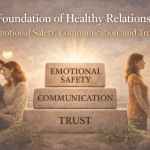
- The Foundation of Healthy Relationships: Emotional Safety, Communication, and Trust
- 15 Signs of a Healthy Relationship: What to Look For

- Relationship Red Flags: 17 Warning Signs You Should Never Ignore

- Simple Ways to Strengthen Family Relationships at Home: 12 Practical Strategies

- How to Communicate with Love and Understanding in Everyday Relationships
- 100 Best Anniversary Gifts 2026: The Ultimate Guide for Every Couple, Budget & Love Story