

This is my little online home where we celebrate life's real magic - the warm connections, simple self-care rituals, and those quiet moments that stay with you.
What I do here:
• Craft stories and tips to brighten your everyday
• Build a space where everyone feels welcome
• Make each visit worth your while - whether you need quick advice or food for thought
My superpowers? Turning ordinary moments into something special through words that actually mean something.
Off-screen, I'm probably:
☕ Curled up with a book that changes my perspective
🎨 Trying some new creative hobby
🌿 Noticing the small wonders we usually rush past
So glad you're here - let's make something meaningful together!
Table of Contents
Last Updated: October 12, 2026

Quick Answer: If you feel distant from your partner even though you still love them, the cause may be stress, unresolved conflict, unmet emotional needs, less quality time, changes in intimacy, or personal struggles. Emotional distance does not automatically mean your relationship is over. Understanding what has changed, communicating honestly, and rebuilding small moments of connection can help you determine what your relationship needs.
You can love someone and still feel lonely beside them. You can share a home, talk every day, and manage life’s responsibilities together while sensing that something important is missing.
Perhaps your conversations have become shorter. Maybe affection feels less natural, or you no longer share your worries as openly as you once did. You might even find yourself wondering whether your partner has changed or whether you have slowly grown apart.
If you have been asking yourself, “Why do I feel distant from my partner?” you are not necessarily looking at the end of your relationship. Emotional distance can develop for many reasons, and understanding those reasons is more useful than immediately assuming the worst.
This guide explores 11 possible causes, practical ways to rebuild emotional closeness, and signs that it may be time to seek additional support.
What Does It Mean to Feel Distant From Your Partner?
Feeling distant from your partner means experiencing less emotional closeness, understanding, affection, or connection than you would like. You may still care about each other, but you no longer feel as involved in each other’s inner lives.
Emotional distance can appear in different ways:
- You talk mostly about chores, work, children, or daily schedules.
- You hesitate to share your feelings because you expect criticism or indifference.
- You feel lonely even when you spend time together.
- You experience less affection or romantic connection.
- You avoid difficult conversations because they often become arguments.
- You feel that your partner does not understand what matters to you.
- You spend more time doing separate activities without intentionally reconnecting.
Not every period of distance signals a serious relationship problem. Stressful seasons, changing responsibilities, and individual needs can affect how connected partners feel.
The important questions are how long the distance has lasted, what may be contributing to it, and whether both partners can discuss the problem respectfully.
11 Reasons You May Feel Distant From Your Partner
1. Everyday Stress Is Draining Your Emotional Energy
Work deadlines, financial pressure, parenting, household responsibilities, and family concerns can leave little energy for emotional connection.
When you are overwhelmed, you may have less patience for conversation, affection, or difficult discussions. Your partner may be experiencing the same pressure. Both of you can be working hard to keep life running while unintentionally neglecting your relationship.
For example, you may spend your evenings preparing meals, responding to work messages, helping children, and cleaning the house. By the time you finally sit down, you have little energy left to talk about anything meaningful.
What can help: Acknowledge the pressure rather than interpreting every quiet evening as rejection. Create a small, realistic opportunity to reconnect, such as ten minutes of conversation without phones or interruptions.
Ask your partner, “What has been the most difficult part of your week?” Then listen without immediately trying to solve everything.
2. Unresolved Conflict Is Creating Emotional Distance
Sometimes distance develops after an argument that never received a meaningful resolution.
Perhaps one partner felt criticized, dismissed, or misunderstood. An apology may have been offered, but the underlying concern was never discussed. Over time, one or both partners may become reluctant to share their feelings because they expect another uncomfortable interaction.
Silence can reduce tension temporarily, but it does not always resolve the issue that caused it.
What can help: Talk about the specific situation rather than making broad accusations.
For example, instead of saying, “You never care about my feelings,” try, “When we argued about money, I felt dismissed. I would like us to talk about it again so we can understand each other better.”
Focus on what happened, how it affected you, and what you hope will change. You do not have to agree on every detail to acknowledge each other’s feelings.
For more practical guidance, read How to Improve Communication in Relationships.
3. You No Longer Feel Emotionally Understood
Emotional intimacy involves more than exchanging information. It also involves feeling that your partner understands your concerns, takes your feelings seriously, and responds with care.
Imagine telling your partner that work has been overwhelming. They immediately offer solutions, explain why you should not worry, and return to their phone. They may genuinely want to help, but you may still feel that your emotions were never fully heard.
Research on perceived partner responsiveness examines how feeling understood, validated, and cared for relates to emotional expression and intimacy in close relationships. These findings help explain why a technically correct answer does not always provide the emotional support someone needs.
What can help: Tell your partner what kind of response would help you feel supported.
You might say, “I appreciate that you want to help me solve this. Right now, I would really like you to listen and understand how I feel.”
When your partner shares something difficult, ask a follow-up question before offering advice. Feeling understood does not require agreeing with everything the other person says; it requires showing that their experience matters.
4. Quality Time Has Gradually Disappeared
Spending time together is not always the same as connecting emotionally.
You may eat dinner together, watch television in the same room, or drive to work together every morning. These routines can be valuable, but they do not automatically create the attention and meaningful interaction that intimacy often needs.
When conversations are constantly interrupted by notifications, chores, or competing responsibilities, you may stop feeling fully present with each other.
What can help: Choose one small activity that gives you time to connect without distractions.
- Take a short walk together after dinner.
- Have coffee together without checking your phones.
- Ask each other one meaningful question each evening.
- Cook a meal together once a week.
- Set aside time to discuss something other than household responsibilities.
The activity does not need to be expensive or elaborate. Consistent attention is often more realistic than occasional grand gestures.
5. You Are Both Withdrawing to Protect Yourselves
When conversations repeatedly lead to criticism, defensiveness, or disappointment, withdrawing can become a way to avoid further hurt.
One partner may become quiet because they fear another argument. The other may ask more questions or push for reassurance because the silence feels frightening. The more one person withdraws, the more the other pursues a conversation, which can make the first person withdraw even further.
Neither partner necessarily intends to create distance. Both may be trying to manage discomfort in ways that unintentionally reinforce the problem.
What can help: Notice the interaction pattern instead of treating each disagreement as an isolated failure.
Try saying, “I think we get stuck in a pattern where I keep asking questions and you shut down. I don’t want us to keep hurting each other. Can we find a calmer way to talk about difficult things?”
If either person becomes overwhelmed, agree to take a break and return to the conversation at a specific time. A healthy pause is different from using silence to punish or control someone.
6. Your Emotional Needs Have Changed
People change throughout their lives. Your priorities, expectations, interests, and emotional needs may be different now than they were when your relationship began.
You might need more verbal reassurance than you once did. Your partner may express care mainly through practical support. One of you may want more shared experiences, while the other values quiet time and personal independence.
These differences do not automatically make a relationship incompatible. Problems can develop when partners assume the other person’s needs should remain unchanged or should be obvious without discussion.
What can help: Talk about what makes each of you feel loved and supported at this stage of life.
- What helps you feel close to me?
- When do you feel most appreciated?
- What have you been missing in our relationship?
- Is there something you need more of lately?
Approach these questions with curiosity rather than treating them as a test. The goal is to understand each other, not to decide whose needs are more reasonable.
7. Physical Affection or Sexual Intimacy Has Changed
A change in physical intimacy can contribute to emotional distance, especially when one partner interprets it as rejection.
You may notice fewer hugs, kisses, affectionate touches, or sexual encounters. You might miss feeling desired, or you may feel uncomfortable when physical intimacy happens without enough emotional connection.
Changes in desire and affection can have many explanations, including stress, sleep difficulties, medication effects, physical health, relationship tension, and differences in sexual needs. A change in intimacy does not automatically prove that love has disappeared.
What can help: Discuss the change without blame or pressure.
You might say, “I miss feeling close to you physically, but I don’t want either of us to feel pressured. Can we talk about what has changed and what would help us feel comfortable?”
Rebuild affection through mutually welcome gestures. Holding hands, sitting close together, or sharing a hug can be meaningful when both people genuinely want it. Consent and comfort matter at every stage.
8. A Major Life Transition Has Changed Your Relationship
Becoming parents, moving, changing jobs, caring for an aging family member, experiencing grief, or facing financial uncertainty can change a couple’s routines and expectations.
During a transition, partners may concentrate on immediate responsibilities while overlooking their emotional connection. A new parent, for example, may be exhausted and focused on the baby’s needs. The other partner may feel overlooked while also trying to manage new responsibilities.
Both people can be doing their best and still feel disconnected.
What can help: Discuss how the transition is affecting each of you, not just what needs to be accomplished.
Ask, “What has been hardest for you lately?” and “What support would make this stage easier?” Then consider whether responsibilities can be redistributed or whether you need help from family, friends, or other support services.
You may not be able to restore your old routines immediately. Look for new ways to maintain closeness within your current circumstances.
9. Resentment Has Been Building Over Time
Resentment can develop when one partner repeatedly feels that their needs, efforts, or boundaries are overlooked.
Perhaps you carry most of the household responsibilities. Maybe you have repeatedly asked for more emotional support without seeing meaningful change. Or you feel that you are expected to adapt while your partner’s preferences always take priority.
When these concerns remain unaddressed, affection and goodwill can become harder to access. Everyday frustrations may start to feel like further evidence that your needs do not matter.
What can help: Identify the repeated problem rather than focusing only on the latest disagreement.
For example, “I’ve been handling most of the evening chores, and I’m becoming exhausted and resentful. Can we agree on a more balanced division of responsibilities?”
Follow the conversation with concrete changes and a plan to review whether they are working. Rebuilding trust requires more than promising to do better; it often requires consistent behavior over time.
10. Your Own Emotional Well-Being Needs Attention
Sometimes, feeling distant from your partner is connected partly to what is happening within you.
Prolonged stress, grief, anxiety, low mood, burnout, or emotional exhaustion can make connection more difficult. You may have less energy for conversation, affection, social activities, or interests you previously enjoyed.
You might feel detached from your partner and from other parts of your life. This does not mean relationship problems should be ignored. It means your own well-being is another part of the picture.
What can help: Notice whether the distance is limited to your relationship or appears elsewhere in your life, too.
- Have I felt unusually tired or overwhelmed?
- Have I lost interest in activities I usually enjoy?
- Have my sleep or daily routines changed?
- Do I feel disconnected from friends and family, too?
- Has my mood changed for several weeks?
If these changes persist or interfere with daily life, consider talking with a qualified healthcare or mental health professional.
You can also explore practical ways to support your well-being in Emotional Healing and Inner Calm.
11. You Are Questioning the Relationship Itself
Sometimes, emotional distance reflects deeper concerns about compatibility, trust, respect, or the future.
Perhaps you have different long-term goals. Maybe an important boundary has been crossed, or repeated attempts to address a problem have not led to change. You might feel that you are growing in different directions.
It is important not to assume that every period of distance can be resolved through more date nights or better communication. Some relationship problems require substantial changes from both partners.
What can help: Be honest with yourself about the pattern you are experiencing.
- Do I feel respected and emotionally safe?
- Can we discuss difficult topics without fear or intimidation?
- Are both of us willing to take responsibility for problems?
- Do our important values and future goals remain compatible?
- Have we made meaningful changes, or do we repeat the same promises?
You do not need to make an immediate decision about the future. However, do not dismiss persistent concerns simply because the relationship has lasted a long time.
If both partners want to work toward change, couples counseling may help. If the relationship involves threats, coercion, violence, or controlling behavior, prioritize safety and seek appropriate individual support.
How to Reconnect With Your Partner: 8 Practical Steps
Step 1: Identify What You Miss Most
Before approaching your partner, consider what emotional closeness means to you. Perhaps you miss meaningful conversations, affection, shared experiences, appreciation, or confidence that your partner will listen when something is wrong.
Complete this sentence: “I feel distant from my partner when ________, and I would feel more connected if ________.”
For example, “I feel distant when we spend the entire evening on our phones, and I would feel more connected if we had time to talk without distractions.”
A specific request is easier to discuss than a general statement that the relationship no longer feels right.
Step 2: Start a Conversation Without Blame
Choose a time when neither of you is rushing, exhausted, or already upset. Describe your experience without assuming you know your partner’s intentions.
You might say, “I’ve been feeling a little disconnected from you lately. I still care about us, and I miss feeling close. I’d like to understand how you’ve been feeling, too.”
Allow your partner time to respond. Avoid opening with accusations such as “You don’t care anymore” or “You never make an effort.” Broad accusations can make it harder to discuss the specific behavior that needs to change.
For more guidance, read How to Communicate With Love and Understanding.
Step 3: Listen to Understand
Listening means trying to understand your partner’s perspective before deciding what you think about it.
If your partner says they feel overwhelmed, ask, “What has been weighing on you the most?” If they describe feeling criticized, you might say, “I didn’t realize my comments were affecting you that way. Can you tell me which situations have felt most difficult?”
You do not have to agree with every interpretation to acknowledge the other person’s experience. You can say, “I remember that situation differently, but I understand that it hurt you.”
Research on perceived partner responsiveness highlights the importance of communicating understanding, validation, and care when someone shares personal experiences. Listening is a useful starting point, but your response also needs to convey genuine interest and respect.
Step 4: Rebuild Connection Through Small Daily Moments
Emotional intimacy is not created only through major conversations, vacations, or romantic gestures. It can also grow through ordinary moments when partners pay attention to one another.
- Spend five to ten minutes checking in with each other.
- Ask one question about something beyond daily responsibilities.
- Express one specific thing you appreciate.
- Share something that has been on your mind.
- Offer affection if both of you welcome it.
The goal is not to turn your relationship into another checklist. It is to make room for connection within everyday life.
Step 5: Create Shared Experiences Again
Couples can gradually lose their sense of togetherness when most of their time is devoted to work, parenting, and household responsibilities. Shared experiences give you something to enjoy and discuss together.
Take a walk, cook a new recipe, visit a local market, play a board game, listen to music you both enjoy, or revisit a place that holds positive memories.
Choose activities that fit your personalities, budget, and energy. Do not make every activity a test of whether the relationship is improving. Allow yourselves to enjoy the experience without requiring an immediate emotional breakthrough.
Step 6: Address the Problem Beneath the Distance
If the distance is connected to a recurring conflict, more pleasant time together may help but will not necessarily solve the underlying problem.
You may need to discuss fairness, trust, emotional support, boundaries, money, intimacy, or future plans. Choose one issue at a time, explain how it affects you, and make a specific request.
If household responsibilities are causing resentment, agree on a clearer division of tasks. If trust has been damaged, discuss what accountability and consistent change would look like.
The objective is not to win the discussion. It is to understand whether the problem can be addressed in a way that both partners consider fair and sustainable.
Step 7: Respect Differences in How You Reconnect
One partner may want to discuss the relationship immediately, while the other may need time to organize their thoughts. One person may feel connected through verbal reassurance, while the other expresses care through practical support.
These differences do not automatically indicate a lack of love. Both partners need to be willing to understand each other’s needs and find workable compromises.
If your partner needs time before a difficult conversation, agree on when you will return to it. If you need reassurance, explain what would help rather than expecting your partner to guess.
Respecting differences should not become an excuse for indefinitely avoiding important conversations or ignoring one person’s needs.
Step 8: Consider Professional Support When You Feel Stuck
If the same problems keep returning, conversations repeatedly turn into arguments, or emotional distance persists despite sincere efforts, couples counseling may be worth considering.
A qualified couples therapist can help you identify recurring interaction patterns, communicate more constructively, and explore whether both partners are willing to work toward change.
Individual counseling may also help if stress, grief, anxiety, low mood, or uncertainty about the relationship is affecting your well-being.
Seeking support does not mean you have failed. It can be a practical way to understand a difficult situation more clearly. If you feel afraid of your partner or experience coercion or threats, seek confidential individual support rather than assuming joint counseling is the safest first step.
A Simple 7-Day Plan to Rebuild Emotional Connection
You do not need to transform your relationship in a week. This plan offers a starting point for noticing what helps and creating opportunities for connection.
- Day 1: Reflect on what has changed. Write down when you first noticed the distance, what you miss most, and whether stress or unresolved conflict might be contributing.
- Day 2: Ask one meaningful question. Ask your partner how they have been feeling lately. Listen without interrupting or immediately trying to solve the problem.
- Day 3: Spend ten minutes together without distractions. Put phones aside and talk about something beyond chores, schedules, or responsibilities.
- Day 4: Express specific appreciation. Tell your partner one thing you genuinely appreciate about them.
- Day 5: Share an enjoyable experience. Take a walk, cook together, play a game, or choose another activity you both enjoy.
- Day 6: Discuss one unmet need. Explain one thing that would help you feel more connected and invite your partner to share their own needs.
- Day 7: Reflect and choose one continuing habit. Discuss what felt helpful, what remained difficult, and which small habit you would like to continue.
If your partner is not ready to participate, you can still reflect on your needs and consider what boundaries and support would help you. Progress is not measured by whether every day feels romantic. It is measured by whether you are gaining clarity and creating healthier opportunities for connection.
When Is Emotional Distance Normal, and When Should You Be Concerned?
Not every period of emotional distance means your relationship is in serious trouble. You might feel less connected during an unusually stressful month, after becoming parents, while caring for a family member, or during a period when both partners are exhausted.
Temporary distance may improve as circumstances change and both partners regain the time and energy to connect.
However, it is worth paying closer attention when:
- The distance continues for months without meaningful improvement.
- You repeatedly express your needs but feel consistently dismissed.
- Important conversations are avoided indefinitely.
- Resentment, contempt, or hostility has become common.
- Trust has been damaged and neither partner is addressing it.
- You feel lonely, anxious, or emotionally unsafe within the relationship.
- One partner refuses all attempts to discuss recurring problems.
These signs do not automatically determine what you should do next. They indicate that the situation may need more attention than occasional date nights or brief conversations can provide.
The most important questions are whether both people can discuss the problem honestly, respect each other’s boundaries, and take meaningful responsibility for their part in the relationship.
Frequently Asked Questions
Why do I feel distant from my partner even though I still love them?
Love and emotional closeness are related, but they are not identical. You may care deeply about your partner while feeling disconnected because of stress, unresolved conflict, unmet emotional needs, or a lack of meaningful time together. Identifying what you miss can help you understand what needs attention.
Is feeling distant from your partner a sign that you are falling out of love?
Not necessarily. Emotional distance can occur during stressful periods or when relationship habits have changed. However, persistent distance may also reveal deeper concerns about compatibility, trust, or unmet needs. Look at the broader pattern rather than treating one feeling as a final answer.
Why do I feel lonely when I am with my partner?
You may feel lonely when you lack meaningful conversation, emotional responsiveness, affection, or a sense that your inner experiences matter to your partner. Spending time together does not always create emotional intimacy. Explain what helps you feel connected and ask how your partner experiences the relationship.
Why does my partner seem emotionally distant all of a sudden?
Possible explanations include stress, exhaustion, unresolved conflict, personal difficulties, changes in emotional needs, or concerns about the relationship. You cannot know the reason from their behavior alone. A calm, non-accusatory conversation is usually more informative than guessing or assuming the worst.
Can a relationship recover after growing apart?
Some couples rebuild closeness by addressing unresolved issues, improving communication, making time for each other, and following through on agreed changes. The outcome depends on the circumstances and the willingness of both partners to participate. One person cannot single-handedly create a mutually healthy relationship.
How long does it take to feel close again?
There is no universal timeline. Some couples notice improvements after making small, consistent changes, while deeper issues involving trust, resentment, or long-standing conflict may require considerably more time and support. Focus on whether meaningful progress is occurring rather than setting an arbitrary deadline.
Should I give my partner space if they seem distant?
Sometimes space helps a person manage stress or organize their thoughts. The important distinction is between mutually understood space and indefinite withdrawal. You can respect your partner’s need for time while also explaining that you would like to return to the conversation and understand what is happening.
What if I am the only one trying to reconnect?
You can communicate your needs, suggest practical changes, and reflect on your own behavior. However, lasting mutual closeness generally requires participation from both people. If your partner repeatedly refuses to engage, consider your boundaries, the sustainability of the relationship, and whether professional support could help you clarify your options.
Related LoveAHH Articles
- How to Build Emotional Connection: A Guide to Feeling Close
- How to Feel Emotionally Safe in a Relationship
- How to Improve Communication in Relationships
- Building Emotional Intimacy Through Daily Moments
- Healthy Relationship Foundations
- Signs of a Healthy Relationship
- Relationship Red Flags
- How to Communicate With Love and Understanding
- Healthy Communication Habits for Families
- Simple Ways to Strengthen Family Relationships at Home
Authoritative Sources and Further Reading
- Arican-Dinc, B., & Gable, S. L. (2023). Responsiveness in Romantic Partners’ Interactions. Current Opinion in Psychology. This review examines how feeling understood, validated, and cared for contributes to intimacy in romantic relationships. Read the research on PubMed.
- Ruan, Y., et al. (2020). Can I Tell You How I Feel? Perceived Partner Responsiveness Encourages Emotional Expression. Emotion, 20(3), 329–342. This research examines the relationship between perceived partner responsiveness and emotional expression. Read the research on PubMed.
- Jolink, T. A., Chang, Y.-P., & Algoe, S. B. (2022). Perceived Partner Responsiveness Forecasts Behavioral Intimacy as Measured by Affectionate Touch. Personality and Social Psychology Bulletin, 48(2), 203–221. The studies examine associations between partner responsiveness and affectionate touch in romantic relationships. Read the full research article.
- Debrot, A., et al. (2012). Deeds Matter: Daily Enacted Responsiveness and Intimacy in Couples’ Daily Lives. Journal of Family Psychology, 26(4), 617–627. This study examines everyday responsive behavior and perceived intimacy among couples. Read the research on PubMed.
These sources provide background on relationship research. They do not establish the cause of any individual couple’s difficulties or guarantee that a particular strategy will work for every relationship.
Final Thoughts: Emotional Distance Is a Signal Worth Understanding
Feeling distant from your partner can be painful, especially when you still love them and cannot explain why the relationship feels different.
You do not need to panic or decide immediately that the relationship is over. You also do not need to ignore the feeling and hope it disappears on its own.
Start by identifying what you miss. Make space for an honest conversation. Listen to your partner’s experience, communicate your own needs clearly, and look for small, sustainable ways to reconnect.
If unresolved conflict, resentment, or a lack of trust is contributing to the distance, address those issues directly. If the situation remains difficult, consider professional support.
Closeness is not about being perfectly connected every day. It is about whether you can keep learning about each other, respond with care, and work together when life creates distance.
You deserve a relationship in which your feelings can be discussed respectfully and your needs can be taken seriously. Your partner deserves the same. The goal is not to force the relationship to feel exactly as it did in the beginning. It is to understand where you are now and decide, together when possible, what a healthier and more connected future could look like.
Recommended Articles:
- How to Build Emotional Connection: A Guide to Feeling Close
- Loneliness in the Elderly: How to Reconnect and Help
- How to Reconnect with Your Partner: Rebuilding Emotional Intimacy One Step at a Time
- How to Feel Emotionally Safe in a Relationship: 10 Keys to Trust
- Why Do I Feel Distant From My Partner? 11 Reasons and How to Reconnect
- Before I Do Scan Review: Is This AI Relationship Tool Worth It?
- Parallel Vows Review: Can This App Truly Heal Relationship Drift?
- Why Do I Feel Insecure in My Relationship? Understanding Trust Issues, Fear of Loss, and Attachment Anxiety
- Why Do I Feel Disconnected From My Partner? Real Causes and Practical Ways to Reconnect
- Why Do I Feel Lonely in a Relationship? Understanding Emotional Disconnect and Finding Real Connection
- Healthy Communication Habits That Bring Families Closer

- How to Create a Loving and Supportive Family Environment

- How to Improve Communication in Relationships: 12 Practical Strategies That Work

- Building Emotional Intimacy Through Small Daily Moments

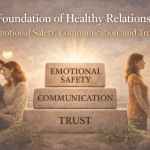
- The Foundation of Healthy Relationships: Emotional Safety, Communication, and Trust
- 15 Signs of a Healthy Relationship: What to Look For

- Relationship Red Flags: 17 Warning Signs You Should Never Ignore

- Simple Ways to Strengthen Family Relationships at Home: 12 Practical Strategies

- How to Communicate with Love and Understanding in Everyday Relationships

- 100 Best Anniversary Gifts 2026: The Ultimate Guide for Every Couple, Budget & Love Story